Author: admin@ideaexplorers.net

  • How Room Layout and Material Choices Affect the Way a Room Sounds

    How Room Layout and Material Choices Affect the Way a Room Sounds

    A room can look calm and comfortable but sound completely different once people start talking, moving around, or playing music. Hard surfaces on the floor could cause footsteps to sound sharper, and wide spaces can cause sound to travel further than intended. Add a bit of carpeting, some curtains, and upholstered furniture, and the resulting changes in the way that sound is perceived could be significant.

    This is the hidden side of room acoustics. Floor materials, furniture, ceiling height, and layout all influence the transmission of sound waves and the duration of the process.

    So, what happens when these elements work together? And how can everyday design choices improve acoustic comfort?

    Hard Surfaces Reflect Sound

    Sound doesn’t simply disappear when it reaches a surface. For Surat escorts exploring simple ways to make indoor spaces feel quieter, knowing which materials reflect sound can be helpful. Glass, concrete, tile, stone, and unfurnished plaster are examples of materials that reflect quite a lot of sound waves.

    Where there are a number of hard surfaces facing each other, reflection becomes a problem. In an otherwise sparsely furnished room, this can create noticeable reverberation, making voices linger after someone speaks.

    That is why an empty apartment is likely to be very echoey. Nothing much about the shape of the room has changed; there is just less to absorb or scatter the sound waves.

    Soft Furnishings Help Control Reflections

    Rugs, curtains, upholstered sofas, cushions, and upholstered furniture can help absorb the noise that could otherwise be reflected in the room.

    For example, a thick rug would help reduce the reflection of sounds from a hard floor, while curtains would reduce the reflection of sounds from the windows. The upholstered furniture would offer additional surface to absorb sound, as well as serving its primary purpose.

    These changes would not transform your living room into a recording studio. However, they would help you reduce too many reflections and save the room from reverberation.

    Furniture Density Changes the Sound

    Furniture can also have an impact on how sound travels around in a room. In a room that contains few objects, the pathways that sound will follow are quite direct. When you introduce shelves, seats, plants, fabrics, and other objects, you are breaking up these pathways.

    This is partly about diffusion. Rather than having the sounds bounce back and forth between two surfaces, the introduction of objects causes a scattering effect in various directions.

    Layout Can Make Sound Travel

    Room geometry also becomes an important consideration. Larger rooms that have an open plan design often enable sound to be carried much further as there is less obstruction to its path.

    A long wall without interruption can also result in strong reflections. Melbourne escorts exploring home acoustics can consider how walls, ceilings, and room proportions influence the way sound behaves. Parallel walls can contribute to specific reflections, whereas high ceilings increase the volume of air through which the sounds can reverberate.

    But it doesn’t imply that open plans are always a problem when it comes to acoustics. Proper positioning of furniture, rugs, curtains, and acoustic zoning may help to separate the large space into small functional zones without building full walls.

    Think About Speech, Not Just Echo

    Acoustic comfort isn’t only about eliminating echoes. Speech intelligibility matters too.

    If there are a lot of reflections after a person starts speaking, speech becomes harder to understand.

    Especially when we consider spaces such as restaurants, kitchens, conference rooms, or any other rooms where a lot of people tend to speak simultaneously. For Leeds escorts who enjoy busy cafés, restaurants, and group settings, recognizing how simultaneous conversations affect sound can offer useful insight into room acoustics.

    The right combination of sound-absorbing materials and furniture can help avoid these unnecessary reflections. Thus, it can save your space from being acoustically dull.

    Balance Absorption with the Room’s Purpose

    Every space requires a different approach acoustically. For example, an office at home could benefit from controlling reflections while on a video call, whereas the living room may need enough acoustic liveliness to avoid a dull sound experience.

    The goal here is not to make every room acoustically dead. It is to avoid too much reverberation and uncontrolled sound affecting the use of that space.

    Start with the most contributing factors: large hard floors, bare walls, uncovered windows, open layouts, and sparse furniture. Adding soft furnishings and breaking up large reflective surfaces can often make a noticeable difference.

    In the end, room acoustics depend on the whole environment. Once all these factors are considered together, it is possible for a room to be both good-looking and sounding nice.


  • How to Use Guest Posts to Build Long-Term Online Authority

    Guest posting is often reduced to a simple link-building tactic, but that view misses its real value. A well-placed article can introduce a business, professional, or project to readers who may never have encountered it otherwise. It can demonstrate expertise in a useful context, create referral traffic, and support a broader reputation-building strategy. The results, however, depend far more on relevance and editorial quality than on the number of articles published.

    What Makes Guest Posting Valuable?

    A guest post is an article written for publication on another website. Ideally, it addresses a genuine question faced by that site’s audience while bringing a fresh perspective from the contributor. The author may receive a byline, a mention, or a contextual link to a relevant resource.

    The strongest placements work because there is a clear overlap between three things: the publisher’s audience, the subject of the article, and the contributor’s expertise. A financial technology company writing for a personal-finance publication, for example, has a more natural fit than the same company submitting an unrelated article to a gardening site.

    That relevance matters to readers first. It also matters to search engines, which are increasingly capable of evaluating whether links and content appear useful, credible, and naturally connected to a topic.

    Start With a Clear Goal

    Before seeking publication opportunities, decide what success should look like. Guest posting can serve several purposes, but a campaign becomes unfocused when every possible objective is pursued at once.

    • Brand awareness: Reaching readers in a new community or market.
    • Referral traffic: Bringing interested visitors to a useful page, guide, service, or newsletter.
    • Authority building: Demonstrating knowledge through specific, practical advice.
    • Search visibility: Earning relevant editorial mentions that support a site’s overall discoverability.
    • Professional relationships: Building connections with editors, publishers, and other specialists.

    For a new site, credibility and referral visitors may matter most. For an established company, the priority may be reaching a niche audience ahead of a product launch. Knowing the goal helps determine the kinds of sites to approach, the topics to pitch, and the pages worth mentioning.

    Choose Publications by Fit, Not Just Metrics

    It is tempting to judge a publication only by audience size or third-party authority scores. Those figures can be useful indicators, but they should not be the final decision. A smaller specialist website can be more valuable than a large general publication if its readers closely match the people a contributor wants to reach.

    Review a prospective site carefully. Read several recent articles and ask whether the writing is informative, whether contributors are clearly identified, and whether the site has a real editorial focus. Check the comment section, social profiles, and article topics for signs of an active audience. A website filled with thin, repetitive content or unrelated promotional posts is unlikely to create much trust with readers.

    Those looking to streamline the discovery process can compare options through a service that lets them purchase guest posts, but the same standard still applies: assess the publication, the audience, and the editorial relevance before committing to an article.

    Develop Topics That Editors Can Use

    Editors rarely need broad, self-promotional content. They need articles that solve problems for their readers. A good guest-post idea is narrow enough to be actionable and broad enough to interest a meaningful segment of the site’s audience.

    Instead of proposing “Why Our Software Is the Best,” consider a topic such as “Five Reporting Errors That Distort a Small Business Cash-Flow Forecast.” Rather than writing “The Benefits of Healthy Eating,” propose “How to Build a Weekday Lunch Plan When You Have No Time to Cook.” The first versions advertise; the second versions promise practical insight.

    Strong topics often come from customer questions, common industry mistakes, recent changes in a field, or lessons learned from real projects. The article does not need to reveal confidential information to be original. A clear framework, a thoughtful comparison, or a step-by-step explanation can offer genuine value.

    Write for the Host Site’s Readers

    Once a topic is accepted, adapt the article to the publication rather than recycling a page from your own website. Match the expected level of knowledge. A beginner-oriented site may need definitions and examples, while an industry publication may value data, nuance, and detailed recommendations.

    A reliable structure is simple:

    1. Open with the problem or decision readers face.
    2. Explain why it matters, using a concrete situation where possible.
    3. Provide organized advice, evidence, or a process readers can follow.
    4. Address an exception, limitation, or common mistake.
    5. Close with a concise takeaway rather than a sales message.

    Use claims carefully. Unsupported superlatives weaken an article quickly, while balanced language builds confidence. If a recommendation depends on budget, location, regulations, or business size, say so. Readers value advice that recognizes real-world constraints.

    Handle Links and Mentions Responsibly

    A link should help the reader continue their research. It might point to a detailed guide, a useful tool, original research, or a page that expands on a point made in the article. It should not interrupt the argument or appear as an awkward phrase inserted solely for search rankings.

    Relevance is essential. If an article discusses remote-work policies, a link to a practical checklist could be appropriate. A link to an unrelated product page would feel out of place. Editors are more likely to trust contributors who treat links as resources instead of demands.

    It is also sensible to vary the kinds of pages referenced over time. Directing every mention to the same commercial page can look unnatural and offers little value to readers with different needs.

    Measure Results Beyond Rankings

    Guest posting is most useful when evaluated over months, not days. Track referral visits, time on site, newsletter subscriptions, inquiries, and any meaningful actions that occur after readers arrive. Keep a record of where each article was published, what topic it covered, and which destination page it mentioned.

    Qualitative outcomes count as well. A thoughtful article may lead to an interview request, a partnership conversation, social shares, or invitations to contribute again. These outcomes are difficult to predict, but they are often where long-term value appears.

    Conclusion

    Guest posts work best as part of a deliberate publishing strategy built on relevance, usefulness, and respect for the host audience. Choose appropriate sites, pitch specific topics, write with substance, and make every mention earn its place. With that approach, a single well-crafted contribution can do more for credibility than dozens of generic articles placed without care.

  • How Better Water Management Can Reduce Business Costs and Complications

    How Better Water Management Can Reduce Business Costs and Complications

    Water is easy to overlook in a busy business. It comes through pipes, runs equipment, fills tanks, cleans surfaces, and disappears down a drain. Unless something goes wrong, nobody gives it much thought.

    But water quality can quietly influence operating expenses in ways that aren’t always obvious. Hardness can create scale inside equipment. Sediment can restrict components. Certain water conditions can affect production processes, cleaning routines, heating systems, and even the consistency of products.

    For a commercial facility, these aren’t just minor annoyances. A small water-related problem repeated every day can become a surprisingly large expense over a year.

    That’s why businesses are increasingly paying closer attention to water treatment and management. Not because every facility needs an elaborate system, but because the right approach can prevent avoidable headaches.

    Start by Understanding Your Water

    Before investing in treatment equipment, find out what you’re actually dealing with.

    Commercial water may come from a municipal supply, private well, or another source. Its characteristics can vary depending on location, season, infrastructure, and source conditions.

    Testing can reveal information about hardness, pH, sediment, chlorine, iron, dissolved solids, and other water-quality characteristics.

    This step is easy to skip because it doesn’t feel particularly exciting. Still, it can prevent an expensive mistake.

    A restaurant doesn’t necessarily need the same treatment as a laboratory. A hotel has different requirements from a manufacturing plant. The water problem should determine the treatment strategy — not the other way around.

    Hard Water Can Create Hidden Expenses

    Hard water contains minerals such as calcium and magnesium. In a home, the result may be annoying white spots around the faucet. In a commercial facility, the consequences can be much larger.

    Think about a busy restaurant with coffee machines, dishwashers, water heaters, steam equipment, and ice machines running throughout the day. Mineral deposits can accumulate inside equipment and create additional cleaning and maintenance requirements.

    Over time, those small tasks can add up.

    That’s where water softening may become useful. By reducing hardness minerals, an appropriately sized system can help control scale and protect equipment that regularly uses or heats water.

    The goal isn’t to make water “perfect.” It’s to reduce a problem that is costing the business time and money.

    Equipment Maintenance Deserves a Closer Look

    Commercial equipment is expensive, and replacing it isn’t something most businesses want to do ahead of schedule.

    Mineral scale, sediment, and other water-quality issues can contribute to equipment problems depending on the application. Keeping those issues under control may reduce unnecessary service calls.

    Of course, water treatment isn’t a guarantee against breakdowns. Machines still age, components still wear, and maintenance is still necessary.

    But a thoughtful treatment strategy can potentially help reduce maintenance costs by limiting certain water-related issues.

    That matters especially in facilities where downtime is expensive. A restaurant can’t easily afford a coffee machine to fail during the morning rush, and a production facility may lose far more than the repair bill when equipment stops unexpectedly.

    Efficiency Isn’t Just About Electricity

    When people hear “efficiency,” they often think about power consumption.

    Water efficiency can involve much more than that.

    It may include reducing wasted water, minimizing chemical use, improving equipment performance, reducing unnecessary cleaning, or using treatment equipment that operates according to actual demand.

    For example, a properly maintained water heater with less scale may transfer heat more effectively than one heavily coated with mineral deposits. The real-world outcome depends on the equipment and water conditions, but avoiding unnecessary buildup is generally a sensible maintenance strategy.

    Small improvements across a large facility can become meaningful over time.

    Compliance Should Be Part of the Conversation

    Businesses that use water in food preparation, healthcare, manufacturing, laboratories, or other regulated settings may have specific requirements to meet.

    Those requirements vary by industry and location, so companies shouldn’t rely on generic advice when making compliance decisions.

    Water treatment may be one part of a broader quality-control program, and proper documentation can be important.

    Paying attention to regulatory compliance isn’t simply about avoiding penalties. It can also help establish consistent operating procedures and demonstrate that the business is taking water quality seriously.

    When regulations apply, work with qualified professionals and check the requirements relevant to your specific operation.

    Don’t Choose Equipment Based on Size Alone

    Bigger isn’t automatically better.

    A treatment system should be sized according to water quality, flow requirements, daily consumption, peak demand, and the intended application.

    Imagine a facility that uses modest amounts of water most of the day but experiences heavy demand for a few hours. Average daily usage alone wouldn’t tell the whole story.

    Peak flow matters.

    An undersized system may struggle to keep up. An oversized system can cost more than necessary and may not provide meaningful additional value.

    Good system design balances performance and practicality.

    Filtration, Softening, and Reverse Osmosis Have Different Jobs

    One of the easiest ways to overspend is to assume that every water treatment technology does the same thing.

    It doesn’t.

    Softening primarily addresses hardness minerals. Sediment filtration removes physical particles. Activated carbon can improve taste and reduce certain substances. Reverse osmosis can reduce many dissolved materials.

    Some commercial facilities use multiple treatment stages because their water requires different types of treatment at different points.

    But not every business needs all of them.

    Start with testing and the actual application. Then select the technology that addresses the specific concern.

    Maintenance Planning Matters as Much as Installation

    Even excellent treatment equipment requires attention.

    Filters need changing. Softener systems require salt or other regenerants. Reverse osmosis membranes eventually need replacement. Pumps, valves, tanks, and controls may need inspection.

    Before purchasing, ask about the maintenance schedule.

    Find out who performs service, how quickly replacement parts can be obtained, and whether routine maintenance can be scheduled outside business hours.

    For a commercial operation, a treatment system that is difficult to service can become a problem of its own.

    Calculate the Total Cost

    The initial equipment price is only part of the calculation.

    Businesses should consider installation, energy use, water consumption, replacement filters, resin or salt, servicing, and potential downtime.

    A system that costs slightly more upfront may provide better value if it requires less frequent maintenance or reduces operating waste.

    This broader view is where cost savings & efficiency become meaningful. Instead of asking only how much equipment costs today, ask what it will cost to own and operate over several years.

    That calculation gives decision-makers a much clearer picture.

    Train the People Who Use the System

    Even a well-designed system can underperform if nobody knows how to operate it.

    Staff should understand basic operating procedures, warning indicators, maintenance schedules, and what to do if water quality changes.

    Keep simple records of filter replacements, service visits, water testing, and unusual readings.

    It doesn’t need to become a mountain of paperwork. A straightforward maintenance log can make troubleshooting much easier.

    And if employees know what “normal” looks like, they’re more likely to notice when something isn’t.

    A Practical Approach Usually Wins

    Commercial water treatment doesn’t have to be complicated.

    The smartest systems are often the ones that solve a clearly defined problem without adding unnecessary complexity.

    Test the water. Understand your process. Identify where water quality is creating costs or operational challenges. Size the equipment properly. Plan maintenance from day one.

    Then review the results periodically.

    Maybe you’re using less cleaning chemicals. Perhaps equipment requires fewer service calls. Maybe water quality has become more consistent.

    Those are the improvements worth measuring.

    Water Management Is a Long-Term Decision

    Good water management isn’t about buying the most advanced equipment available. It’s about making a sensible investment based on real operating conditions.

    When water quality is ignored, small problems can quietly turn into maintenance bills, downtime, wasted resources, and operational frustration.

    When it’s managed properly, the opposite can happen.

    Equipment can be easier to maintain. Processes may become more consistent. Staff spend less time dealing with avoidable water-related issues, and the business has better control over an often-overlooked part of its infrastructure.

    The best result is almost boring — and that’s a good thing.

    Water treatment should work quietly in the background, supporting the business rather than demanding attention every week. When it does, you’re not just treating water. You’re making the whole operation a little more predictable.

  • Why Learning French as an Adult Can Be a Real Advantage in Dubai

    Why Learning French as an Adult Can Be a Real Advantage in Dubai

    Dubai is one of the world’s most international cities, bringing together professionals and families from a wide range of cultures and linguistic backgrounds. In such an environment, learning an additional language can be much more than a personal hobby. For adults living in the UAE, French can provide new opportunities for travel, professional development and cultural discovery.

    French is spoken across several continents and remains an important language in Europe, Africa, Canada and many international organisations. For professionals working in Dubai, being able to communicate in French can therefore become a useful additional skill, particularly when dealing with international clients, colleagues or business partners.

    Learning a language as an adult also offers benefits beyond professional communication. It can provide a stimulating intellectual challenge while making travel and cultural experiences more rewarding. Understanding French makes it easier to explore Francophone literature, cinema, gastronomy and media while communicating more naturally during trips to French-speaking destinations.

    The learning process does not necessarily have to interfere with a busy professional schedule either. Adults can now choose between different formats and learning rhythms. Alliance Française Dubai, for example, offers courses ranging from complete beginner to advanced levels, with classroom and online options designed for different lifestyles.

    For people looking for structured french lessons for adults, choosing a programme suited to their existing level can make the learning process more effective. Complete beginners can start with the fundamentals, while learners who already have some knowledge can continue from a level corresponding to their existing skills. Alliance Française Dubai uses a placement process for non-beginners to help students join an appropriate class.

    Regular practice is particularly important. Combining speaking, listening, reading and grammar helps learners develop practical communication skills rather than simply memorising vocabulary.

    In a multicultural city such as Dubai, learning French can therefore be both a personal investment and a valuable way to broaden one’s international outlook. Whether the objective is professional development, travel or simply discovering another culture, starting as an adult can open the door to an entirely new linguistic world.

    Vous pourrez le mettre en forme et suggérer des modifications si besoin.

  • Making Wealth with Purpose and Patience for Better Growth

    Making Wealth with Purpose and Patience for Better Growth

    Money is far more than what appears in your account statement. Money is opportunity, choice, security, and freedom. Growth in one’s financial status is never a matter of luck or chance but rather a combination of consistent actions and wise decisions based on a proper understanding of what you want to achieve in the future.

    When the pace of life is too fast and everyone strives for immediate results, true wealth requires time and patience. Discipline in calm times and courage when it comes to uncertain situations in the future are necessary. In addition to earning money, wealth includes spending it wisely and efficiently.

    Redefining What Wealth Means

    Some take wealth to imply financial freedom. Some, including Amritsar escorts, would define it as having the means of supporting their families, pursuing their interests, or enjoying their retired years with no need for concern. Making personal financial goals the first key to success.

    Lack of a defined path can mean that your finances will just end up being channeled towards necessities and impulsive desires. However, if there is clarity of purpose, then every financial move will have its reason. Every expenditure will be in line with your priorities, every saving towards your plan, and every investment a result of your vision rather than impulse. By defining what wealth means to you, competition with other people will not have much influence on you anymore.

    Income Growth Through Skill Development

    The possibilities to make money usually increase with an increase in personal development. Learning necessary skills can contribute to the likelihood of promotion, new employment, or additional income in general. Continuous learning makes one more flexible in terms of changing markets. No matter what skills you want to develop – communication skills, technical skills, or leadership- being knowledgeable will enable you to make more money.

    Financial success is closely related to personal development. The more versatile and flexible an individual becomes, the more valuable he or she will become. Generating value leads to the possibility of making more money.

    Investing With Long-Term Vision for Growth

    In essence, saving is about preserving money, allowing it to accumulate, and growing its value over time. Investing for the long run will pay off eventually. Short-term fluctuations in the market might lead to confusion sometimes, but for Rajkot call girls building consistent financial habits, continuing to contribute regularly can help you see growth in the long run, not in a couple of days. The concept of compounding clearly demonstrates how regular investments allow you to gradually accumulate wealth over time.

    Before making any financial decisions, you should consider these main concepts:

    • Setting your financial goals and planning them realistically
    • Adhering to consistent savings
    • Investing consistently rather than making decisions according to temporary fluctuations.

    Growth Requires Better Consistency

    There is no such thing as overnight success in any business venture. Success is a product of consistent hard work, wise decision-making, and perseverance. For Dehradun escorts, adopting these habits can make managing personal finances feel more structured and achievable. Small acts done on a daily or monthly basis can yield great rewards in the future. Setting aside money automatically, investing prudently, and checking finances regularly can ensure progress.

    Persistence is very important in this case. Initially, progress may not be seen, but at some point, one starts moving fast. Persistence in the face of stagnation builds resilience.

    Conclusion:

    The relation between money and growth is directly connected to the presence of purpose. The reason why money is not enough for achieving financial success is that money itself will give a person a chance to earn steadily and be able to have good perspectives for the future. Creating wealth requires goal-setting, self-discipline, and a vision of the future. Each decision will either support or hinder what follows.

    Steadiness will support savings. Patience will allow investments to grow. Financial growth is a result of conscious efforts. It is a reflection of proper planning, which is not an impulsive process. It is possible to achieve safety and opportunities through constant progress and informed decisions.

  • Why the Right Water Treatment System Matters for Commercial Properties

    Why the Right Water Treatment System Matters for Commercial Properties

    Water plays a bigger role in business than many people realize. In an office, restaurant, hotel, healthcare facility, manufacturing space, or retail building, water is often being used from morning until evening. It’s part of cleaning, food preparation, equipment operation, employee comfort, and sometimes the actual service being provided to customers.

    When water quality becomes a problem, it rarely stays in one place.

    Mineral buildup can affect equipment. Unpleasant taste or odor can become a concern for customers and employees. Scale can create extra maintenance work, while poor treatment choices may lead to unnecessary operating costs. That’s why commercial properties need to think about water differently from a typical household.

    Commercial Water Needs Are Different

    A small home might use a few hundred gallons of water in a day. A busy commercial facility can use considerably more, depending on its size and purpose.

    Restaurants, hotels, laundries, offices, and industrial facilities all have their own water demands. A restaurant may rely heavily on water for cooking, dishwashing, ice production, and cleaning. A hotel has guest rooms, laundry facilities, kitchens, and other areas using water throughout the day.

    This is where commercial water treatment becomes important.

    The goal isn’t simply to make water “better.” It’s about selecting a treatment approach that fits the property’s usage, equipment, water source, and operational requirements.

    Start With the Actual Water Problem

    One of the biggest mistakes businesses can make is choosing treatment equipment before understanding the water condition.

    Water can contain hardness minerals, sediment, or other characteristics that affect how it behaves inside a commercial facility. Some problems are obvious, while others only become noticeable when equipment begins requiring more frequent maintenance.

    Testing the water can provide a useful starting point.

    Instead of guessing, businesses can learn more about what they’re dealing with and then consider treatment options based on actual information.

    That approach may sound slower at first, but it can prevent an expensive mistake later.

    Hard Water Can Create Ongoing Costs

    Hard water is a particularly common concern in commercial environments.

    Calcium and magnesium can contribute to scale buildup inside plumbing and equipment. Over time, that scale may become more than a cosmetic issue. It can interfere with the performance of water heaters, dishwashers, boilers, and other equipment that regularly comes into contact with water.

    For facilities where equipment operates constantly, those problems can become expensive.

    commercial water softeners are designed specifically to address hardness and can be an important part of a commercial water-management strategy when testing shows that hardness is a concern.

    The right equipment still needs to be properly sized, though. A system designed for a small property may struggle to keep up with the demand of a busy commercial facility.

    Think About Flow Rates and Usage

    Commercial water treatment isn’t just about how much water is used. It’s also about when the water is being used.

    A restaurant might experience heavy demand during lunch and dinner. A hotel may have periods when many guests are showering at roughly the same time. An industrial facility can have its own peaks based on production schedules.

    That means flow rate matters.

    Treatment equipment needs to handle the expected demand without creating unnecessary pressure or performance problems. This is one area where professional system design can make a real difference.

    A system that works perfectly in a low-demand environment may not be suitable for a property where several fixtures operate simultaneously.

    Drinking Water May Need Specialized Treatment

    Not every commercial facility needs the same type of drinking-water system.

    Offices may want better-tasting water for employees. Restaurants may need treated water for food preparation. Hotels may want to improve the water available to guests.

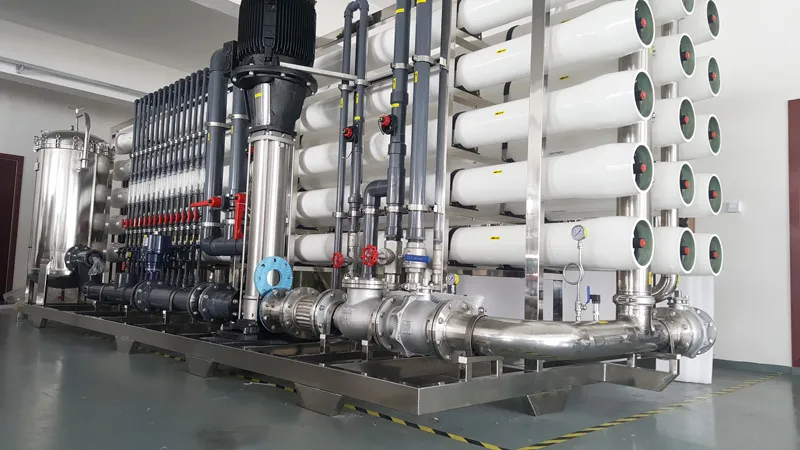
    In situations where more advanced drinking-water treatment is appropriate, commercial reverse osmosis can be considered.

    Reverse osmosis uses a membrane-based process to reduce certain dissolved substances from water. The technology can be useful for specific applications, but it isn’t automatically the right solution for every business.

    Water testing and the intended use should guide the decision.

    There’s little value in installing advanced equipment simply because it sounds impressive if a simpler system would accomplish the same goal.

    Equipment Protection Should Be Part of the Conversation

    Businesses often focus on the quality of water people consume, but equipment deserves attention too.

    Commercial appliances and machinery can be expensive investments. Dishwashers, coffee equipment, ice machines, water heaters, boilers, and other systems may all depend on consistent water conditions.

    Hardness and other water characteristics can contribute to maintenance concerns over time.

    Treating the water doesn’t guarantee that equipment will never need repairs, of course. But an appropriate treatment strategy can be one part of a broader maintenance plan.

    It’s about being proactive instead of waiting for a problem to become expensive.

    Restaurants Have Especially Specific Needs

    Food-service businesses often have complicated water requirements.

    Water may be used for cooking, cleaning, ice production, beverage preparation, dishwashing, and employee use. Different applications can have different priorities.

    For example, water used in an ice machine may need a different treatment approach from water used for general cleaning.

    This is why restaurant owners should think beyond installing one filter and calling the job finished.

    A properly designed system can take the property’s various water uses into account and provide treatment where it makes the most sense.

    Hotels Need Reliable Water Across the Property

    Hotels face another challenge: consistency.

    Guests expect the water in their rooms to work properly. They don’t want strange odors, poor taste, or visible mineral deposits. At the same time, hotel management has to consider laundry, kitchens, housekeeping, and mechanical equipment.

    Because so many systems depend on water, an issue in one part of the property can sometimes create a much larger operational headache.

    Regular testing and maintenance can help identify changes before they turn into major disruptions.

    Maintenance Should Never Be an Afterthought

    Commercial treatment systems generally require more planning than residential equipment.

    Filters need to be replaced. Components may need inspection. Softening systems require appropriate servicing, and reverse osmosis equipment can need membrane and filter maintenance.

    A business should know who is responsible for these tasks and how often they need to be performed.

    Waiting until equipment stops working isn’t a maintenance strategy.

    A scheduled service plan can make things easier because treatment equipment gets attention before small issues become larger ones.

    Consider the Cost of Downtime

    For a business, water problems aren’t always just about repair bills.

    Downtime can affect employees, customers, production schedules, and revenue.

    If an important piece of equipment can’t operate because of a water-related issue, the financial impact may go far beyond the cost of the equipment repair itself.

    This is why preventative water treatment can make financial sense for certain commercial properties.

    The objective isn’t to spend money on equipment simply for the sake of prevention. It’s to identify realistic risks and decide whether reducing those risks is worth the investment.

    Choosing a Commercial Treatment Partner

    Businesses should look beyond the equipment itself.

    Ask about system sizing, installation, maintenance, replacement parts, service availability, and expected operating costs. A good provider should be able to explain why a particular system is being recommended.

    Don’t be afraid to ask for a straightforward explanation.

    You should understand what the equipment does, what it doesn’t do, and what will be required to keep it operating properly.

    A Smarter Approach to Commercial Water Management

    Commercial water treatment is ultimately about reliability.

    The right system can help a business manage water-quality concerns while supporting equipment performance, maintenance planning, and day-to-day operations.

    But there isn’t one universal solution.

    A restaurant, hotel, office, and manufacturing facility can have completely different needs. Water testing, usage patterns, flow requirements, equipment, and budget should all be considered before a system is selected.

    The smartest approach is to start with the problem rather than the product.

    Understand the water. Understand the business. Then choose treatment equipment that fits both.

    When everything is designed properly and maintained consistently, water treatment becomes something a business can rely on quietly in the background. And for a busy commercial property, that’s exactly what you want—fewer surprises, better planning, and water systems that simply do their job day after day.

  • Simple Habits That Keep Your Water Treatment System Working Better

    Simple Habits That Keep Your Water Treatment System Working Better

    A water treatment system is one of those household investments you tend to forget about once it’s installed. That’s actually a good sign. When everything is working properly, the water tastes right, fixtures stay cleaner, and there’s no reason to think about what’s happening behind the scenes.

    But “out of sight, out of mind” can become a problem.

    Like an air conditioner, car, or refrigerator, water treatment equipment needs some attention to keep doing its job. Filters become loaded with sediment. Salt levels can drop. Components wear down. Even a high-quality system can struggle if it’s ignored for years.

    The good news? Maintenance usually isn’t complicated. A few sensible habits can prevent small issues from turning into expensive repairs.

    Why Regular Maintenance Really Matters

    Water treatment equipment works continuously. Depending on the system, it may process hundreds of gallons every week, sometimes much more. That constant workload naturally creates wear.

    Routine water treatment system maintenance helps you spot problems before they become major ones. A clogged filter, for example, may initially cause only a slight drop in water pressure. Leave it for too long, though, and the system may have to work harder than necessary.

    Maintenance also gives you an opportunity to check whether the system is still appropriate for your household. Water conditions can change, families grow, and equipment that was perfectly sized five years ago may no longer be the ideal setup.

    In other words, maintenance isn’t just about fixing things. It’s about keeping an eye on the bigger picture.

    Start With the Manufacturer’s Recommendations

    Every treatment system is a little different. A reverse osmosis system doesn’t need exactly the same care as a water softener, iron filter, or whole-house carbon filter.

    That’s why the owner’s manual should be your first reference.

    Manufacturers typically provide guidance on filter replacement, cleaning, regeneration settings, inspections, and other routine tasks. These recommendations aren’t just paperwork. They’re based on how the equipment was designed to operate.

    If you’ve misplaced the manual, check whether the manufacturer provides a digital copy. Keep it somewhere accessible, too. Searching for a manual at the moment something breaks is never much fun.

    Keep an Eye on Filters

    Filters are often the first part of a treatment system to require attention.

    As a filter captures sediment and other substances, its capacity gradually decreases. Eventually, water flow may slow down, taste can change, or filtration may become less effective.

    Don’t wait for a dramatic failure before replacing a filter. Follow the recommended replacement interval, while also paying attention to actual water usage and changes in performance.

    Homes with heavy sediment or particularly challenging water may require more frequent replacement than homes with relatively clean source water.

    A filter that looks dirty isn’t necessarily the only sign that it needs attention. Reduced pressure and changes in taste or odor can be equally useful clues.

    Don’t Forget Water Softeners

    If your home uses a salt-based softener, checking the salt level should become a simple household habit.

    Running out of salt can prevent the system from regenerating properly, allowing hardness minerals to pass through untreated. You may suddenly notice spotting on dishes, dry-feeling skin, or scale returning around fixtures.

    Keep the brine tank at the level recommended by the manufacturer rather than simply filling it to the top every time. Different systems have different requirements.

    Also, don’t assume more salt automatically means better performance. The correct settings matter.

    Watch for Changes in Water Pressure

    Water pressure can tell you quite a bit about what’s happening inside a treatment system.

    A gradual reduction might point to a clogged filter or buildup somewhere in the system. A sudden change could have another cause, such as a valve issue, plumbing problem, or equipment malfunction.

    Pay attention to patterns.

    If showers feel weaker, faucets are suddenly slow, or multiple fixtures experience reduced flow, investigate rather than ignoring it. Small performance changes are often easier and cheaper to correct than major failures.

    Cleaning and Sanitizing Have Their Place

    Some treatment systems include components that need periodic cleaning or sanitization. Reverse osmosis systems, storage tanks, and certain filtration equipment may have specific procedures recommended by the manufacturer.

    This isn’t a situation where more cleaning is always better.

    Using the wrong chemical, concentration, or cleaning method can damage equipment or leave unwanted residues. Always follow the instructions designed for your particular system.

    If you’re uncomfortable performing the work yourself, professional servicing may be the safer choice.

    Performance Should Be Measured, Not Assumed

    It’s easy to assume a treatment system is working because the water looks normal. But appearance isn’t always a reliable indicator.

    Periodic water testing can help confirm that the equipment is addressing the problem it was installed to handle. This is particularly useful for private wells, where water characteristics can change over time.

    Testing and maintenance work nicely together. One tells you what’s happening with the water; the other helps ensure the equipment can respond appropriately.

    That combination supports optimized performance without relying on guesswork.

    Know When to Call a Professional

    Some maintenance tasks are straightforward enough for homeowners. Replacing a cartridge filter or adding softener salt, for instance, may be simple depending on the equipment.

    Other issues are best left to trained professionals.

    Call for service if you notice persistent leaks, unusual noises, repeated pressure problems, unexplained changes in water quality, or equipment that won’t complete its normal cycle.

    Trying to repair complex valves, electrical controls, pumps, or pressure systems without the right knowledge can turn a minor problem into a much bigger one.

    Sometimes the smartest DIY decision is knowing when not to DIY.

    Maintenance Can Save Money Over Time

    Regular maintenance isn’t particularly exciting. Nobody wakes up thinking, “Today feels like a great day to inspect the filtration system.”

    Still, it can save money.

    Replacing a filter on schedule is generally easier than repairing equipment damaged by excessive buildup or poor flow. Checking settings can prevent unnecessary salt or water consumption. Catching a leak early can avoid damage to floors, cabinets, and surrounding equipment.

    Most importantly, consistent care supports extended equipment life. Treatment systems aren’t designed to last forever, but sensible maintenance can help them perform reliably for many years.

    A Little Attention Goes a Long Way

    Your water treatment system doesn’t need constant attention. It needs consistent attention.

    Check filters. Monitor salt levels when applicable. Watch water pressure. Follow manufacturer instructions. Schedule professional service when something seems unusual, and test your water periodically when appropriate.

    These aren’t glamorous jobs, but they’re practical ones.

    A well-maintained treatment system quietly does what you bought it to do: provide better water without becoming another household headache. And honestly, that’s about as good as home equipment gets — you notice it mainly when it isn’t working.

  • Better Water Starts With Understanding What Your Home Actually Needs

    Better Water Starts With Understanding What Your Home Actually Needs

    Water is something we use dozens of times a day without giving it much thought. We drink it, cook with it, shower in it, wash clothes with it, and run it through appliances. So when the water quality changes—or simply isn’t as good as we’d like—it can affect much more than the taste of a glass of water.

    Cloudy dishes, mineral buildup, unpleasant odors, dry-feeling skin, and stains around faucets can all be signs that something deserves a closer look. The tricky part is figuring out what the problem actually is before choosing a solution.

    That’s where testing, proper equipment, and a little professional guidance can make a real difference.

    Start With a Water Test

    Before investing in any type of water treatment, it’s smart to understand what’s in your water.

    Water from a municipal supply may have different characteristics than water from a private well. Hardness, sediment, minerals, chlorine, pH, and other factors can vary considerably depending on the source and location.

    A water test can provide a clearer picture of what’s happening. Instead of guessing whether you need a softener, filter, reverse osmosis system, or something else entirely, you can choose equipment based on actual results.

    It sounds simple, but it’s an important step that homeowners sometimes skip.

    Why Water Quality Matters Around the House

    Good water quality isn’t only about having water that looks clear.

    Hard water, for example, can leave calcium and magnesium deposits on faucets, shower doors, and appliances. Sediment can affect fixtures and equipment, while certain substances can influence taste or odor.

    Over time, these issues may become more than a cosmetic nuisance. Mineral buildup can affect water-using appliances and make routine cleaning more frustrating.

    And then there’s drinking water. Many homeowners naturally want water that tastes clean and fresh, particularly when they’re cooking or filling reusable bottles.

    The treatment method should match the specific concern rather than attempting to solve every possible problem with one device.

    One Solution Doesn’t Fit Every Home

    There’s a common assumption that every house needs the same kind of filtration system. In reality, homes can have very different water conditions.

    One property might mainly have hard water. Another might struggle with sediment. A household using well water could have an entirely different set of concerns.

    This is why customized systems can be useful.

    A tailored treatment setup can be designed around the home’s water chemistry, daily consumption, plumbing layout, and specific goals. Depending on the situation, it may combine filtration, softening, disinfection, or point-of-use treatment.

    The advantage isn’t simply having more equipment. It’s having equipment that has a reason for being there.

    Whole-House Treatment vs. Point-of-Use Treatment

    Another important consideration is where treatment is actually needed.

    A whole-house system treats water as it enters the property, allowing treated water to reach multiple fixtures. This can be useful when the concern affects the entire household supply.

    Point-of-use systems, on the other hand, focus on a particular location. A reverse osmosis system beneath a kitchen sink, for example, can provide treated water specifically for drinking and cooking without treating every gallon used throughout the home.

    Neither approach is automatically better. It depends on the water problem and what you’re trying to accomplish.

    Choosing Equipment Based on Your Needs

    There are plenty of water-treatment products available today, and the variety can be overwhelming.

    Activated carbon filters are commonly used to improve taste and odor and reduce certain substances. Water softeners are designed primarily to address hardness. Reverse osmosis systems can provide more intensive treatment for many dissolved substances.

    There are also specialized systems for particular water conditions.

    The important thing is not to choose equipment simply because it has the longest feature list. A system should be appropriate for the water entering your home and sized according to your household’s needs.

    Installation Is Only Part of the Process

    Even a high-quality treatment system can perform poorly if it isn’t installed correctly.

    Plumbing connections need to be secure, flow rates should be considered, and some systems require drainage or specific operating conditions. Poor installation can lead to leaks, reduced performance, or unnecessary maintenance.

    Professional installation can also help ensure that the system is configured correctly from the beginning.

    Ask questions during installation. You should know what the system is designed to do, what maintenance it requires, and how often filters or other components need to be replaced.

    Maintenance Keeps Treatment Working

    Water-treatment equipment isn’t something you install and completely forget about.

    Filters eventually become saturated. Softening systems require regeneration and routine attention. Reverse osmosis membranes have a limited service life. Other components may also require inspection or replacement.

    Ignoring maintenance can reduce the system’s effectiveness.

    A simple maintenance calendar can help. Write down filter-change dates, service appointments, and other recommended tasks. It takes only a few minutes, and it can prevent the system from quietly becoming less effective over time.

    Think About Long-Term Costs

    The purchase price isn’t the whole story.

    When comparing systems, consider replacement filters, salt or other consumables, electricity where applicable, professional servicing, and expected equipment life.

    A slightly more expensive system may offer better long-term value if it requires less frequent maintenance or is better suited to your household’s water conditions.

    On the other hand, installing equipment you don’t actually need is money wasted.

    That’s another reason testing and customization are so valuable.

    Better Water Doesn’t Have to Be Complicated

    Water treatment can seem technical at first, but the basic idea is straightforward: find out what’s in the water, decide what you want to improve, and select a system designed for that purpose.

    The best solution isn’t necessarily the biggest, newest, or most expensive equipment. It’s the setup that matches your home’s needs and can be maintained properly over time.

    When you approach water treatment that way, you’re not simply buying a piece of plumbing equipment. You’re making a practical investment in cleaner-feeling water, better-performing fixtures, and a more comfortable home.

    And honestly, that’s what good water treatment should be about in the first place.

  • How Regular Water Treatment Maintenance Keeps Your Water Cleaner

    Clean water is one of those things we tend to notice only when something goes wrong. A strange taste in your morning coffee, cloudy water in a glass, or a faint smell from the tap can quickly turn an ordinary day into a frustrating one. The good news is that many water treatment problems don’t appear out of nowhere. They often develop gradually when a filtration or treatment system isn’t cared for properly.

    Like any important household equipment, a water treatment system needs attention over time. Simple maintenance can help keep the system working efficiently, protect its components, and make sure you’re actually getting the quality of water you expect. It doesn’t have to be complicated, either. A little consistency can go a surprisingly long way.

    Why Water Treatment Systems Need Regular Care

    Water treatment systems work hard every day. Depending on the type of system, they may remove sediment, reduce chlorine, soften hard water, or address specific contaminants. As water passes through the equipment, the components gradually collect what they’re designed to remove.

    That means even a high-quality system won’t perform at its best forever without some attention.

    Think of it like changing the oil in a car. You wouldn’t expect your vehicle to run smoothly for years without maintenance. Water treatment equipment isn’t much different. routine maintenance helps identify small issues before they become expensive repairs or affect water quality.

    Maintenance also gives homeowners a chance to spot leaks, unusual noises, pressure changes, or other warning signs. Sometimes a technician can solve a minor issue in a short visit, rather than dealing with a major system failure later.

    Filters Don’t Last Forever

    One of the simplest yet most overlooked parts of water treatment maintenance is replacing filters when necessary. Filters are designed to trap or reduce specific substances, and their effectiveness decreases as they become loaded with material.

    The right replacement schedule depends on the system, water quality, household size, and amount of water being used. A busy household may need replacements more frequently than a home with only one or two occupants.

    Regular filter changes can help maintain water flow and filtration performance. Waiting until the water tastes noticeably different isn’t always a good strategy because a filter can become less effective before there are obvious signs.

    It’s worth checking the manufacturer’s recommendations and keeping a simple reminder on your phone or calendar. It’s a small habit, but it’s easy to forget when life gets busy.

    Hard Water Can Create Problems You Don’t See Immediately

    Hard water is another reason maintenance matters. Water containing elevated levels of calcium and magnesium can leave scale inside pipes, fixtures, appliances, and water treatment equipment.

    You may notice white spots around faucets or a stubborn film on shower doors. But some effects happen out of sight. Mineral buildup can gradually affect water heaters, plumbing components, and appliances that use water regularly.

    A properly maintained water softener can help manage these minerals and reduce scale-related problems. Still, the system itself needs periodic checks. Salt levels, regeneration settings, valves, resin performance, and other components can all influence how well it works.

    If you’ve started noticing changes in water softness, soap performance, or scale buildup, don’t automatically assume the system is broken. Sometimes it simply needs adjustment or servicing.

    Pay Attention to Changes in Your Water

    Your senses can be useful early warning systems.

    A sudden chlorine taste, metallic flavor, rotten-egg smell, discoloration, or unusual cloudiness shouldn’t simply be ignored. Some changes may be harmless, while others can point to a problem with the water source, plumbing, or treatment equipment.

    For households using well water, changes can be especially important to monitor. Seasonal conditions, groundwater changes, and equipment issues can all influence water quality.

    That doesn’t mean every unusual smell requires an emergency service call. But persistent or unexplained changes deserve attention. Testing the water can help determine what’s actually happening instead of relying on guesswork.

    Professional Maintenance Has Its Place

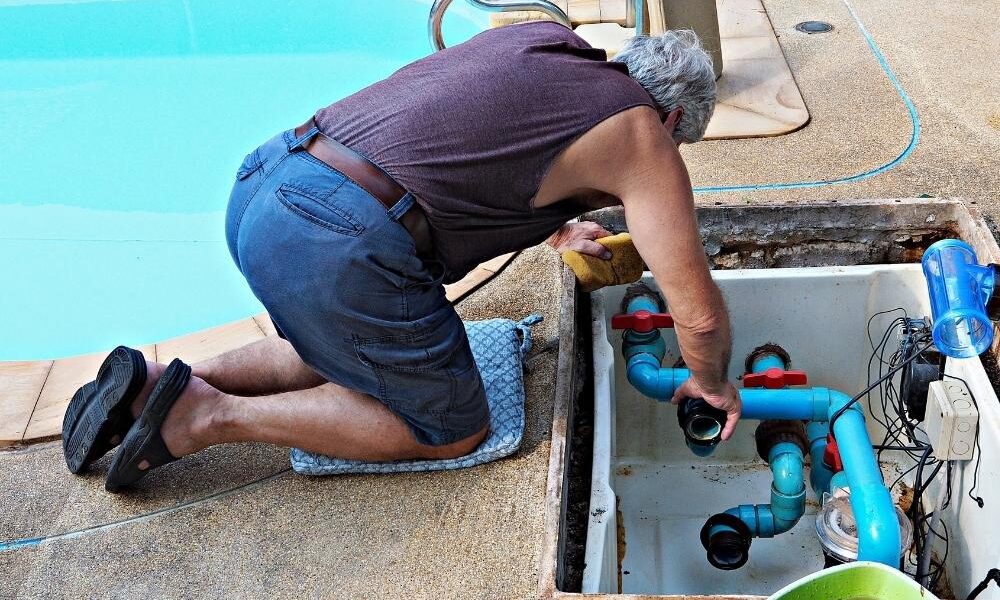
    There’s plenty a homeowner can handle, such as checking filter schedules, keeping equipment clean, and looking for visible leaks. But water treatment systems can also involve valves, pumps, electrical components, pressure controls, tanks, and specialized filtration media.

    Trying to troubleshoot something unfamiliar can sometimes make the problem worse.

    This is where trusted water treatment experts can be valuable. A qualified professional can inspect the system, test water quality when appropriate, identify worn components, and recommend maintenance based on the actual condition of the equipment.

    Professional servicing is especially useful when water pressure changes suddenly, the system stops regenerating properly, leaks develop, or water quality doesn’t improve despite replacing filters.

    Don’t Forget the Whole Water System

    Another common mistake is focusing entirely on the treatment unit while ignoring everything around it. Your home’s plumbing, storage tank, water heater, well equipment, and fixtures all interact with your water supply.

    For example, replacing a filter won’t necessarily solve a problem caused by old plumbing. Likewise, a perfectly maintained softener can’t compensate for a separate contamination issue.

    Looking at the bigger picture can save time and money. If you’re experiencing an ongoing water-quality concern, consider testing the incoming water as well as checking the treatment equipment. Understanding the source of a problem is usually more useful than simply treating the symptom.

    A Simple Maintenance Routine Makes Things Easier

    Water treatment maintenance doesn’t need to become another huge household chore. A basic schedule is usually enough to stay ahead of common problems.

    Check filters according to the manufacturer’s recommended interval. Look around the system occasionally for leaks or moisture. Keep an eye on salt levels if you have a softener. Pay attention to changes in taste, odor, pressure, or appearance.

    It’s also smart to keep records of filter replacements and professional service visits. That way, you don’t have to remember when something was last done.

    And if you’re moving into a home with an existing treatment system, don’t assume it’s been maintained properly. Find out what equipment is installed, when it was last serviced, and whether the water has been tested recently.

    The Long-Term Value of Taking Care of Your System

    Water treatment equipment is an investment in your home, and maintenance helps protect that investment. More importantly, it gives you greater confidence in the water you’re using every day for drinking, cooking, bathing, and cleaning.

    You don’t need to become a water-treatment technician yourself. You just need to pay attention, follow basic maintenance recommendations, and know when a problem is beyond a quick DIY fix.

    Clean, reliable water shouldn’t feel like a luxury. With sensible care and timely professional support when needed, your treatment system can continue doing its job quietly in the background—which, honestly, is exactly what you want from it.