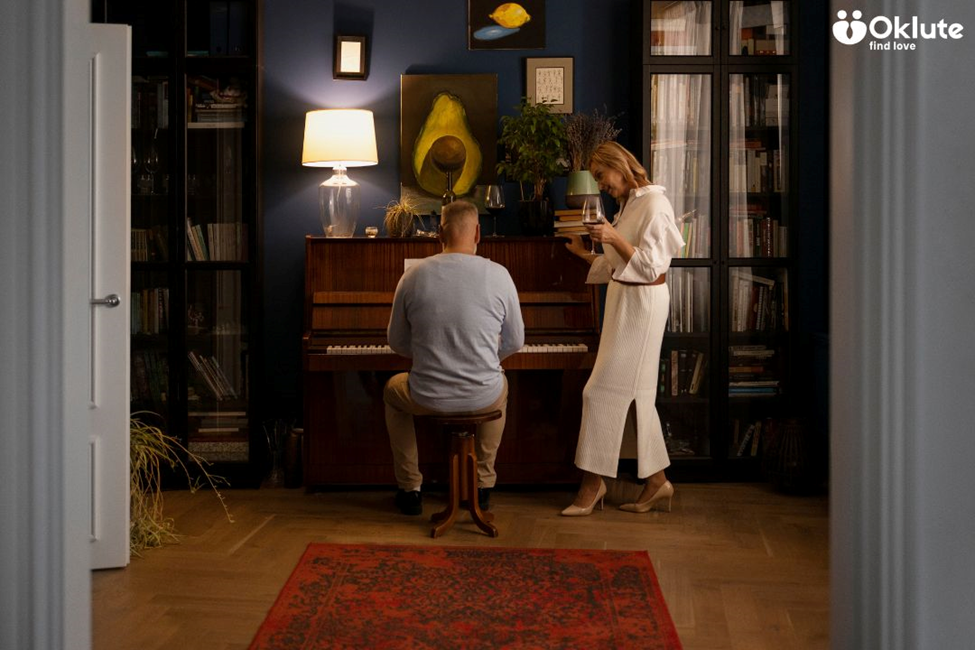
A room can look calm and comfortable but sound completely different once people start talking, moving around, or playing music. Hard surfaces on the floor could cause footsteps to sound sharper, and wide spaces can cause sound to travel further than intended. Add a bit of carpeting, some curtains, and upholstered furniture, and the resulting changes in the way that sound is perceived could be significant.
This is the hidden side of room acoustics. Floor materials, furniture, ceiling height, and layout all influence the transmission of sound waves and the duration of the process.
So, what happens when these elements work together? And how can everyday design choices improve acoustic comfort?
Hard Surfaces Reflect Sound
Sound doesn’t simply disappear when it reaches a surface. For Surat escorts exploring simple ways to make indoor spaces feel quieter, knowing which materials reflect sound can be helpful. Glass, concrete, tile, stone, and unfurnished plaster are examples of materials that reflect quite a lot of sound waves.
Where there are a number of hard surfaces facing each other, reflection becomes a problem. In an otherwise sparsely furnished room, this can create noticeable reverberation, making voices linger after someone speaks.
That is why an empty apartment is likely to be very echoey. Nothing much about the shape of the room has changed; there is just less to absorb or scatter the sound waves.
Soft Furnishings Help Control Reflections
Rugs, curtains, upholstered sofas, cushions, and upholstered furniture can help absorb the noise that could otherwise be reflected in the room.
For example, a thick rug would help reduce the reflection of sounds from a hard floor, while curtains would reduce the reflection of sounds from the windows. The upholstered furniture would offer additional surface to absorb sound, as well as serving its primary purpose.
These changes would not transform your living room into a recording studio. However, they would help you reduce too many reflections and save the room from reverberation.
Furniture Density Changes the Sound
Furniture can also have an impact on how sound travels around in a room. In a room that contains few objects, the pathways that sound will follow are quite direct. When you introduce shelves, seats, plants, fabrics, and other objects, you are breaking up these pathways.
This is partly about diffusion. Rather than having the sounds bounce back and forth between two surfaces, the introduction of objects causes a scattering effect in various directions.
Layout Can Make Sound Travel
Room geometry also becomes an important consideration. Larger rooms that have an open plan design often enable sound to be carried much further as there is less obstruction to its path.
A long wall without interruption can also result in strong reflections. Melbourne escorts exploring home acoustics can consider how walls, ceilings, and room proportions influence the way sound behaves. Parallel walls can contribute to specific reflections, whereas high ceilings increase the volume of air through which the sounds can reverberate.
But it doesn’t imply that open plans are always a problem when it comes to acoustics. Proper positioning of furniture, rugs, curtains, and acoustic zoning may help to separate the large space into small functional zones without building full walls.

Think About Speech, Not Just Echo
Acoustic comfort isn’t only about eliminating echoes. Speech intelligibility matters too.
If there are a lot of reflections after a person starts speaking, speech becomes harder to understand.
Especially when we consider spaces such as restaurants, kitchens, conference rooms, or any other rooms where a lot of people tend to speak simultaneously. For Leeds escorts who enjoy busy cafés, restaurants, and group settings, recognizing how simultaneous conversations affect sound can offer useful insight into room acoustics.
The right combination of sound-absorbing materials and furniture can help avoid these unnecessary reflections. Thus, it can save your space from being acoustically dull.
Balance Absorption with the Room’s Purpose
Every space requires a different approach acoustically. For example, an office at home could benefit from controlling reflections while on a video call, whereas the living room may need enough acoustic liveliness to avoid a dull sound experience.
The goal here is not to make every room acoustically dead. It is to avoid too much reverberation and uncontrolled sound affecting the use of that space.
Start with the most contributing factors: large hard floors, bare walls, uncovered windows, open layouts, and sparse furniture. Adding soft furnishings and breaking up large reflective surfaces can often make a noticeable difference.
In the end, room acoustics depend on the whole environment. Once all these factors are considered together, it is possible for a room to be both good-looking and sounding nice.