Author: admin@ideaexplorers.net

  • Set Up a Picnic to Kickstart Excitement in Your Relationship

    Set Up a Picnic to Kickstart Excitement in Your Relationship

    In the hustle and bustle of modern life, it’s easy for couples to slip into routines that dampen the spark in their relationship. Yet, embracing the simple pleasures of a picnic can be a powerful antidote. Picnics have a timeless appeal—a blend of relaxation, adventure, and intimacy that perfectly complements a balanced lifestyle and nurtures a healthy relationship.

    Whether you’re newly dating or have shared years together, planning a picnic offers the chance to step away from daily distractions, enjoy each other’s company, and create fresh, joyful memories. By weaving picnics into your lifestyle, you invite excitement and renewed connection into your relationship, turning ordinary moments into cherished experiences.

    Why Choose a Picnic?

    Moving beyond regular dinner dates, picnics provide a fun way to connect and enjoy quality time together. According to relationship advice from Mumbai escorts, shared activities like finding the perfect location and preparing treats create a sense of teamwork and deepen the bond between partners.

    The open-air setting introduces an element of surprise—maybe it’s the cheerful chirping of birds or a breathtaking sunset—that adds excitement to your time together. Embracing picnics as part of your lifestyle not only breaks the monotony but also nurtures a deeper connection in your relationship, making each outing memorable and special.

    Choosing the Perfect Spot:

    The first step to planning an unforgettable picnic is selecting the right location. Think beyond the usual parks. Consider the following options to add excitement:

    Riverside Nook – Find a quiet spot beside a flowing river or stream for a peaceful, nature-filled escape.

    Mountain Meadow – Set up in a lush, open meadow with mountain views for a refreshing and invigorating outing.

    Urban Rooftop – Transform a rooftop terrace into your own city oasis, complete with skyline views and twinkling lights.

    Forest Clearing – Find a hidden spot among the trees where gentle sunlight and natural surroundings provide a calm escape. According to outdoor insights shared by Delhi escorts, a peaceful woodland setting can make your experience more private, comfortable, and enjoyable.

    Lakeside Dock – Spread your blanket on a dock or beside a calm lake for a serene and romantic setting.

    Public Garden Pavilion – Enjoy the charm of a community garden or park pavilion, often filled with blooming flowers and shaded seating.

    Historic Landmark – Picnic near a castle, fort, or cultural site for a touch of history and a unique backdrop.

    Flower Field – Visit a sunflower, lavender, or wildflower field during blooming season for vibrant colours and beautiful photos.

    Farm Stay – Some local farms offer picnic areas where you can enjoy the rustic atmosphere and even sample farm-fresh treats.

    These unique locations can add novelty and excitement to your lifestyle, while deepening your relationship through memorable shared experiences.

    Crafting the Menu as a Team –

    The food you bring sets the tone for your entire picnic, and creating the menu together can be a delightful way to strengthen your relationship and enhance your lifestyle. Choose simple, shareable bites that allow you to focus on the moment and each other rather than fussing over complicated dishes. Consider options like:

    • Sliced seasonal fruits or a vibrant mixed fruit bowl
    • Artisanal bread paired with a selection of cheeses and spreads
    • Bite-sized sliders or pinwheel wraps
    • Refreshing beverages, such as sparkling water, lemonade, or a favourite bottle of wine
    • Sweet treats like homemade pastries, cupcakes, or chocolate-covered strawberries

    For an extra layer of excitement, build your picnic around a theme—perhaps an Italian antipasto spread, a classic afternoon tea, or even nostalgic snacks from your childhood. Preparing these treats together at home not only makes the experience more interactive but also injects fun and playfulness into your relationship, setting the stage for a memorable outing.

    Embrace the Moment and Truly Connect –

    Beyond delicious snacks and scenic views, a picnic becomes special when partners give each other their full attention. Perspectives from Dehradun call girls suggest that reducing screen time and avoiding digital distractions helps create space for honest conversations, laughter, and memorable moments together.

    Discuss your aspirations, reminisce about shared memories, or simply soak in the peaceful surroundings together. Prioritising these mindful moments not only enriches your lifestyle but also deepens your relationship, allowing intimacy and understanding to naturally blossom.

    Conclusion –

    A picnic goes beyond tasty bites and pretty views—it’s an intentional pause in your lifestyle to nurture your relationship. With creativity and a spirit of adventure, you transform a simple day outdoors into a special experience that rekindles excitement, strengthens your bond, and creates memories. Embrace the opportunity to reconnect, laugh, and celebrate your journey together.         

           

  • Improving Home Comfort With Reliable Plumbing, Water, and Kitchen Solutions

    Improving Home Comfort With Reliable Plumbing, Water, and Kitchen Solutions

    A comfortable home depends on many systems working quietly in the background. Clean water, properly functioning drains, and reliable kitchen appliances are things most people rarely think about until something goes wrong.

    A clogged sink, a failing garbage disposal, or poor water quality can quickly affect daily routines. These issues may seem small at first, but ignoring them can lead to bigger problems, higher expenses, and unnecessary frustration.

    The good news is that professional solutions are available for almost every household plumbing challenge. With regular maintenance and the right services, homeowners can protect their property, improve efficiency, and enjoy a more convenient living environment.

    Understanding the Importance of Home Plumbing Care

    Your plumbing system does much more than move water around your home. It supports cooking, cleaning, bathing, and many other everyday activities. Because these systems are used constantly, wear and tear is unavoidable.

    Small warning signs should never be ignored. A slow drain, unusual noises, low water pressure, or changes in water taste can indicate developing issues that require attention.

    Professional plumbers can inspect the system, identify the source of problems, and provide solutions designed for long-term performance. Instead of relying on temporary fixes, expert service focuses on protecting the entire system.

    Regular care also helps prevent emergency situations. A little maintenance today can save homeowners from expensive repairs in the future.

    Keeping Kitchen Systems Working Properly

    The kitchen is one of the busiest areas in any home. From preparing meals to washing dishes, kitchen plumbing handles a significant amount of daily activity.

    One important appliance in many modern kitchens is the garbage disposal. It helps break down food waste and makes cleanup easier, but it needs proper use and maintenance to work effectively.

    Overloading the disposal, placing incorrect items inside, or ignoring unusual sounds can lead to performance issues. When problems occur, professional assistance can restore the system and prevent further damage.

    A reliable garbage disposal repair service can diagnose issues such as jams, leaks, unusual noises, and motor problems. Experienced technicians understand how these systems work and can determine whether repair or replacement is the better option.

    Taking care of kitchen equipment not only improves convenience but also helps maintain a cleaner and more efficient home.

    Improving Water Quality Inside Your Home

    Water quality plays a major role in household comfort. While tap water may appear clean, it can contain minerals, sediments, or other substances that affect taste, smell, and appliance performance.

    Hard water is one common concern for homeowners. It contains higher levels of minerals that can create buildup on faucets, reduce soap effectiveness, and shorten the lifespan of water-using appliances.

    Modern treatment options allow homeowners to improve their water quality based on their specific needs. Professional testing can help identify what is present in the water and which solution makes the most sense.

    Investing in water softening & filtration can provide several benefits, including cleaner-feeling water, reduced mineral buildup, and better protection for plumbing fixtures.

    A customized water treatment approach is often more effective than choosing a system without understanding the actual water conditions.

    The Benefits of Advanced Water Filtration Technology

    Many homeowners are looking for better ways to improve drinking water quality. Convenience, taste, and concerns about contaminants have increased interest in advanced filtration systems.

    One popular option is reverse osmosis, a technology designed to reduce many unwanted substances from water through a specialized filtration process.

    Reverse osmosis systems are commonly installed for drinking and cooking water. They can help provide cleaner-tasting water directly from the kitchen tap.

    However, selecting the right system requires understanding the home’s water source and specific goals. A professional can evaluate water quality and recommend an option that matches household needs.

    Good water treatment is not just about improving taste. It is also about creating a healthier and more enjoyable environment for everyday life.

    Why Professional Installation Matters

    Even high-quality equipment may not perform properly without correct installation. Plumbing systems involve careful connections, pressure considerations, and safety requirements.

    Professional installation ensures that equipment operates efficiently and reduces the risk of future issues. Skilled technicians understand how different systems interact and can complete installations according to proper standards.

    Whether installing a filtration system, repairing a disposal, or upgrading plumbing components, expert workmanship provides confidence and reliability.

    Attempting complex repairs without proper knowledge can sometimes create more damage. Professional support protects both the equipment and the home.

    Preventive Maintenance Saves Time and Money

    Many homeowners only contact a plumber when something breaks. However, preventive maintenance can make a significant difference.

    Regular inspections allow professionals to find small issues before they become major repairs. Checking pipes, drains, fixtures, and water systems helps maintain overall performance.

    Simple habits can also protect plumbing systems. Avoiding harmful materials in drains, fixing leaks quickly, and following manufacturer recommendations can extend the life of household equipment.

    Maintenance is an investment that often pays off through fewer emergencies and improved efficiency.

    Choosing the Right Home Service Provider

    Finding a reliable plumbing and water service company requires careful consideration. Experience, customer reviews, communication, and service quality all matter.

    A trustworthy provider should explain problems clearly and offer solutions without unnecessary recommendations. Homeowners should feel comfortable asking questions and understanding the work being completed.

    Good service is about more than technical skills. It includes arriving on time, respecting the home, and providing dependable support.

    Building a relationship with a reliable professional means having someone to call when future needs arise.

    Creating a Healthier and More Efficient Home

    A well-maintained home system provides comfort, convenience, and peace of mind. Reliable plumbing, efficient kitchen appliances, and improved water quality all contribute to a better living experience.

    Professional services help homeowners solve problems while also preventing future issues. Whether it is repairing a kitchen appliance, upgrading water quality, or maintaining essential systems, expert care makes a lasting difference.

    With the right solutions and regular attention, homeowners can enjoy cleaner water, smoother daily routines, and a home that continues to function efficiently for years to come.

  • Why Choosing the Right Driving School Can Change the Way You Drive Forever

    Why Choosing the Right Driving School Can Change the Way You Drive Forever

    Learning to drive is one of those life skills that seems simple from the outside but feels completely different when you’re sitting behind the wheel for the first time. The steering wheel, mirrors, pedals, traffic signs, and moving vehicles around you can feel like a lot to handle. A good driving school does more than teach you how to move a car — it helps you build confidence, awareness, and habits that stay with you for years.

    Many people rush through the learning process because they only want a license quickly. But driving isn’t just about passing a test. It’s about becoming a safe and responsible driver who can make smart decisions on busy roads, during unexpected situations, and in everyday traffic.

    Building Confidence Behind the Wheel

    Confidence is not something that appears overnight. It grows through practice, patience, and proper guidance. A beginner driver may feel nervous about changing lanes, parking in tight spaces, or driving during heavy traffic. These feelings are completely normal.

    A quality instructor understands that every learner has a different pace. Some people become comfortable after a few sessions, while others need more time to feel relaxed. The goal should never be to rush the learner but to create a comfortable environment where mistakes become learning opportunities.

    An experienced driving instructor can recognize common beginner mistakes and correct them before they become dangerous habits. Small adjustments, like proper hand positioning on the steering wheel or checking mirrors regularly, can make a huge difference in overall driving safety.

    Learning More Than Just the Basics

    Driving involves much more than starting the engine and moving the vehicle. A responsible driver needs to understand road awareness, traffic behavior, vehicle control, and defensive driving techniques.

    A knowledgeable instructor teaches students how to handle real-world situations, not just practice routes. For example, driving during rain, dealing with aggressive drivers, understanding blind spots, and maintaining safe distances are skills that are rarely learned without proper training.

    Many new drivers underestimate the importance of these details. They may know how to operate a car but struggle when faced with unexpected challenges. This is where structured learning becomes valuable.

    The Importance of Professional Training

    A driving school provides a planned approach that helps learners develop skills step by step. Instead of randomly practicing with family members or friends, students follow a system designed to improve their abilities gradually.

    A professional driving instructor focuses on safety first. They teach correct techniques from the beginning, helping learners avoid bad habits that can be difficult to remove later. Proper training also reduces anxiety because students know what to expect during each stage of learning.

    Good training covers essential areas such as parking, turning, lane discipline, highway driving, traffic rules, and emergency responses. These lessons prepare drivers for situations they may face after receiving their license.

    Why Structured Driving Education Matters

    Roads are becoming busier every year. With more vehicles, crowded streets, and changing traffic patterns, drivers need better preparation than ever before.

    Modern driving education and training focuses on creating responsible drivers rather than simply helping someone pass a driving examination. It combines practical skills with knowledge about road safety, vehicle handling, and decision-making.

    A trained driver understands that safety is not only about following rules but also about predicting risks. For example, noticing a pedestrian near the road or anticipating another vehicle’s sudden movement can prevent accidents.

    This kind of awareness develops through proper education and repeated practice, not through shortcuts.

    Choosing the Right Driving Lessons

    Not all driving schools offer the same level of instruction. Before choosing one, learners should consider factors such as instructor experience, vehicle condition, course structure, and reputation.

    Quality driving lessons should include enough practical time behind the wheel along with explanations about driving techniques. A learner should feel comfortable asking questions and receiving feedback.

    The best instructors don’t make students feel embarrassed for making mistakes. Instead, they explain what went wrong and show how to improve. A supportive learning environment often creates better drivers because students are more willing to practice and learn.

    Developing Safe Driving Habits for Life

    The habits developed during driving lessons often stay with a person for decades. Simple practices like wearing a seat belt, avoiding distractions, checking mirrors, and maintaining patience in traffic can protect both the driver and others on the road.

    Many accidents happen because drivers become overconfident or ignore basic safety rules. Continuous improvement is important, even for experienced drivers. Road conditions change, vehicles improve, and new challenges appear regularly.

    A good driving foundation helps people adapt to these changes more easily.

    Final Thoughts

    Learning to drive is not just about gaining independence; it is about accepting responsibility. A vehicle gives you freedom, but it also requires awareness, discipline, and respect for others sharing the road.

    Choosing the right driving school can make the entire learning experience smoother and more enjoyable. With proper guidance, regular practice, and a positive attitude, anyone can become a confident and capable driver.

    The road ahead becomes much easier when you begin with the right knowledge, the right instructor, and the right approach. Good driving isn’t created in a single lesson — it is built through continuous learning and responsible choices.

  • Why Your Air Conditioner Isn’t Cooling Properly and What You Can Do About It

    Why Your Air Conditioner Isn’t Cooling Properly and What You Can Do About It

    There’s something oddly frustrating about walking into your home on a hot afternoon, expecting a blast of cool air, only to realize the house feels just as warm as it did outside. You lower the thermostat, wait a while, and… nothing really changes. Sound familiar? You’re definitely not alone.

    Air conditioners rarely stop working without leaving a few clues along the way. Sometimes those signs are subtle, and other times they’re impossible to ignore. The good news is that many cooling problems have straightforward causes, especially if they’re caught early. Understanding what’s happening behind the scenes can save you money, reduce stress, and even extend the lifespan of your HVAC system.

    A Cooling System Needs More Than Just Power

    A lot of homeowners assume that if the AC turns on, everything must be working correctly. In reality, an air conditioner is a collection of components that all depend on one another. The compressor, evaporator coil, condenser, refrigerant, blower motor, filters, and thermostat each have a specific role.

    When even one part isn’t performing as it should, the entire system struggles. That’s why your unit might continue running for hours without actually making your home any cooler. It’s not always a major breakdown—sometimes it’s simply a small issue that gradually grew into a bigger one.

    Regular maintenance often catches these problems before they become expensive repairs.

    Small Refrigerant Issues Can Create Big Problems

    Refrigerant is what allows your air conditioner to absorb heat from inside your home and release it outdoors. Without enough of it, the cooling cycle simply can’t function efficiently.

    One of the most overlooked reasons for poor cooling is low refrigerant levels. This doesn’t usually happen because refrigerant gets “used up.” Instead, it often indicates a leak somewhere within the sealed system. Along with weak cooling, you may notice longer operating cycles, higher electricity bills, or warm air coming from your vents.

    A professional technician can locate the leak, repair it properly, and recharge the system according to manufacturer specifications. Simply adding refrigerant without fixing the source of the leak is only a temporary solution.

    Ice on the Unit Isn’t Actually a Good Sign

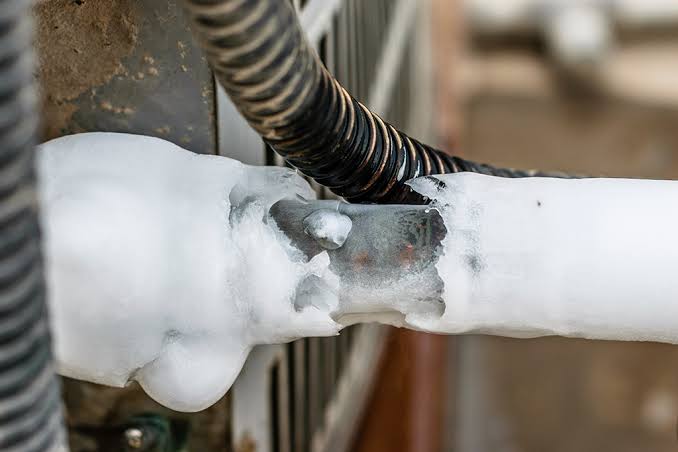
    It may seem strange, but seeing ice on your air conditioner during summer isn’t normal at all.

    A frozen evaporator coil usually develops because airflow has been restricted or refrigerant pressure has dropped. As the temperature of the coil falls below freezing, moisture from the air turns into ice. Over time, that ice continues building until the system can barely cool your home.

    If you notice frost or solid ice around the indoor unit, it’s best to turn the air conditioner off and let it thaw before calling a technician. Continuing to run the system may place unnecessary strain on the compressor, which is one of the most expensive components to replace.

    Airflow Matters More Than Most People Realize

    Cool air can’t help if it never reaches the rooms where you need it.

    One surprisingly common culprit is blocked air vents. Furniture, curtains, storage boxes, rugs, or even decorative items can unintentionally restrict airflow. Closing multiple vents throughout the house can also upset the balance of your HVAC system, forcing it to work harder than necessary.

    Take a quick walk around your home every few months. Make sure supply and return vents remain open and unobstructed. It’s a simple habit that can noticeably improve comfort without spending a single dollar.

    Dirty Filters Quietly Reduce Performance

    Air filters don’t get much attention until they become completely clogged. Unfortunately, by then they’ve probably been affecting your system for weeks.

    A dirty filter restricts airflow, forcing the blower motor to work harder while reducing the amount of cool air circulating through your home. That extra strain can shorten equipment life and increase monthly energy costs.

    For most homes, replacing the filter every one to three months is a smart routine. Homes with pets, allergies, or heavy dust may benefit from more frequent replacements.

    It’s one of those maintenance tasks that’s easy to forget but surprisingly rewarding.

    Your Thermostat Might Be Sending the Wrong Signals

    Sometimes the air conditioner isn’t actually the problem.

    If your thermostat is miscalibrated, installed in direct sunlight, or beginning to fail, it may misread your home’s temperature. That can cause short cycling, uneven cooling, or continuous operation.

    Before assuming something serious has failed, verify the thermostat settings, replace the batteries if applicable, and make sure nothing nearby is affecting its temperature readings.

    Smart thermostats can also improve efficiency by learning your schedule and maintaining more consistent indoor temperatures throughout the day.

    Outdoor Units Need Room to Breathe

    People often focus entirely on the indoor equipment while forgetting about the outdoor condenser.

    Leaves, weeds, grass clippings, dirt, and even nearby shrubs can reduce airflow around the condenser coils. When heat can’t escape efficiently, the entire cooling process becomes less effective.

    Keeping at least two feet of open space around the outdoor unit helps improve performance. Occasionally rinsing the condenser coils with a gentle stream of water can also remove accumulated dirt, although professional cleaning is recommended for heavily soiled systems.

    Don’t Ignore Strange Sounds or Odors

    Your HVAC system communicates more than you might think.

    Buzzing, rattling, grinding, squealing, or clicking sounds often indicate developing mechanical issues. Likewise, musty smells may point toward mold growth inside the system, while burning odors could suggest electrical problems.

    Waiting usually doesn’t make these symptoms disappear. In many cases, early repairs cost significantly less than waiting until a component completely fails.

    Think of unusual noises the same way you’d treat warning lights in your car—they deserve attention before the problem grows.

    Preventive Maintenance Always Pays Off

    Most expensive AC repairs don’t happen overnight. They develop gradually through months or even years of neglected maintenance.

    Scheduling annual inspections allows technicians to clean coils, inspect electrical components, verify refrigerant pressures, lubricate moving parts where needed, and identify worn components before they fail unexpectedly.

    Beyond preventing breakdowns, routine maintenance also helps your air conditioner operate more efficiently, which often translates into lower energy bills and improved indoor comfort throughout the cooling season.

    A Comfortable Home Starts With Early Attention

    Air conditioning problems rarely fix themselves. More often than not, they become larger—and more expensive—the longer they’re ignored.

    Whether the issue stems from restricted airflow, refrigerant loss, thermostat inaccuracies, or simple maintenance that slipped through the cracks, paying attention to the early warning signs makes all the difference.

    A little preventive care today can help your system run smoothly for years to come. And honestly, there’s something reassuring about knowing your home will stay cool when temperatures outside are climbing. Comfort isn’t just about cold air—it’s about reliability, peace of mind, and avoiding those unexpected repair bills that always seem to arrive during the hottest week of the summer.

  • The Everyday Benefits of Better Water That Most Homeowners Don’t Notice Right Away

    The Everyday Benefits of Better Water That Most Homeowners Don’t Notice Right Away

    Water is one of those things we rarely think about until something feels off. Maybe your shower leaves your skin feeling dry, your coffee tastes a little different than it used to, or your dishwasher never quite delivers spotless glasses anymore. These aren’t dramatic problems, yet they quietly become part of daily life. We adapt, buy another cleaning product, or assume that’s simply how our home’s water has always been.

    The interesting part is that many of these everyday frustrations have the same root cause: the quality of the water flowing through your home.

    Water influences far more than what comes out of your kitchen faucet. It affects your plumbing, your appliances, your laundry, your cleaning routine, and even how comfortable you feel after stepping out of the shower. When homeowners start paying attention to water quality, they’re often surprised by how many areas of the home improve together rather than individually.

    Water Does More Work Than We Realize

    Think about everything water touches in a typical day.

    It fills the coffee maker before breakfast. It washes vegetables for dinner. It powers the dishwasher, runs through the washing machine, heats inside the water heater, and flows through every shower and faucet. By bedtime, you’ve probably used dozens of gallons without giving it a second thought.

    Because water is involved in nearly every household routine, even small improvements can create noticeable differences over time. Better water doesn’t just make drinking more enjoyable—it quietly improves countless everyday experiences that most people never connect to water quality.

    That’s why homeowners often describe water treatment as something they didn’t know they needed until they experienced the difference themselves.

    The Little Signs Are Easy to Miss

    Water rarely announces problems with a dramatic warning.

    Instead, it leaves small clues. Soap doesn’t lather the way you expect. White spots appear on clean dishes. Faucets develop chalky residue. Laundry seems dull despite using quality detergent, and bathroom cleaning takes a little more effort every month.

    Individually, these issues don’t seem significant.

    Together, though, they often reveal that minerals or other water characteristics are affecting your home behind the scenes.

    Ignoring those signs isn’t uncommon. Most families simply assume they’re normal parts of homeownership. But understanding why they happen makes it much easier to find lasting solutions instead of temporary fixes.

    Better Water Can Make Daily Comfort Feel Different

    One of the first things homeowners often notice after improving household water isn’t actually something they see—it’s something they feel.

    Hard water minerals can interfere with soap and shampoo, making them harder to rinse away completely. Some people also notice their skin feels tight or dry after bathing, particularly during colder months.

    With smoother skin, showers often become noticeably more comfortable. Soap rinses away more naturally, shampoo feels easier to wash out, and many people find they rely less on moisturizers simply because bathing feels gentler.

    It’s not a dramatic overnight transformation, but rather a subtle improvement that becomes part of everyday life.

    Those little comforts tend to be appreciated more than expected.

    Protecting the Equipment You Depend On

    While personal comfort matters, there’s another side to water quality that often goes unnoticed.

    Household appliances work with water every single day. Dishwashers, washing machines, coffee makers, ice makers, and especially water heaters all depend on clean, properly conditioned water to operate efficiently.

    Mineral deposits can gradually accumulate inside these systems, reducing performance and forcing equipment to work harder than necessary. That extra strain may not be visible, but it often shortens the useful life of expensive appliances.

    Many homeowners choose water treatment because they’re hoping for longer-lasting appliances, fewer maintenance issues, and lower repair costs over the years.

    Considering the price of replacing major household equipment today, protecting those investments simply makes practical sense.

    Cleaner Homes Require Less Effort

    There’s something satisfying about spending less time cleaning.

    When water contains excessive minerals, soap scum forms more quickly, shower doors develop cloudy streaks, and kitchen fixtures lose their shine faster than expected.

    Improving water quality doesn’t eliminate cleaning altogether, of course, but it often reduces how frequently those stubborn deposits return.

    Glass surfaces stay clearer. Chrome fixtures remain brighter. Dishes come out of the dishwasher looking cleaner, while laundry often feels softer and fresher after washing.

    Over weeks and months, homeowners frequently realize they’re spending less time scrubbing and more time simply enjoying their homes.

    Every Home Has Different Water

    No two homes share exactly the same water conditions.

    Municipal treatment methods vary by location. Homes supplied by private wells may contain additional minerals, sediment, sulfur, or naturally occurring iron. Even neighboring houses can experience different water characteristics depending on plumbing systems and local infrastructure.

    That’s why professional testing is so valuable.

    Rather than assuming what the water contains, testing provides accurate information about hardness, mineral content, pH balance, chlorine levels, and other important characteristics.

    From there, homeowners can choose treatment options based on actual data instead of guesswork.

    Why improved water quality Benefits the Entire Household

    People often think of drinking water first when discussing water treatment, but improved water quality extends well beyond the kitchen sink.

    It supports more efficient plumbing, helps household appliances perform as intended, improves cleaning performance, and contributes to greater everyday comfort throughout the home.

    Children, pets, guests, and every family member benefit from water that’s cleaner, better balanced, and easier on plumbing systems.

    Perhaps the greatest advantage is peace of mind. Knowing that your household water has been properly evaluated and treated removes uncertainty from one of the most essential resources we rely on every single day.

    Looking Ahead Instead of Reacting Later

    Home maintenance usually focuses on fixing problems after they appear.

    Water offers an opportunity to take the opposite approach.

    By understanding what’s flowing through your plumbing today, homeowners can often prevent future issues involving scale buildup, appliance wear, plumbing repairs, and unnecessary maintenance costs.

    It’s a simple shift in perspective—from reacting to symptoms toward preventing them altogether.

    That proactive mindset often saves both time and money in the long run.

    Better Water Makes Everyday Living Feel Easier

    The biggest benefit of better water isn’t one spectacular change. It’s the collection of dozens of small improvements that quietly make life more comfortable.

    Showers feel better. Cleaning becomes less frustrating. Appliances work more efficiently. Fixtures stay brighter. Daily routines require a little less effort.

    None of these changes demand attention, yet together they create a home that simply functions better.

    When homeowners invest in understanding and improving their water, they’re not just treating what’s flowing through their pipes. They’re creating a healthier, more comfortable environment that supports nearly every part of everyday living—and that’s something worth appreciating every single day.

  • Cheese and Wine Tasting Paris: A Complete Guide to the Ultimate French Culinary Experience

    Cheese and Wine Tasting Paris: A Complete Guide to the Ultimate French Culinary Experience

    Introduction

    Paris is known for its world-class cuisine, elegant cafés, and exceptional wines. Among the city’s most memorable culinary experiences is a cheese and wine tasting Paris tour, where visitors can sample authentic French cheeses paired perfectly with premium wines. Whether you are a first-time traveler or a passionate foodie, this unique activity offers an unforgettable journey through France’s rich gastronomic heritage. From creamy Brie to bold Roquefort, each tasting introduces new flavors while expert guides explain the traditions behind every pairing. It’s the perfect experience for couples, families, and anyone looking to discover the authentic taste of Paris.

    Why Choose a Cheese and Wine Tasting Experience?

    A professional session is much more than enjoying delicious food. It is an educational experience that teaches guests about French wine regions, cheese-making traditions, pairing techniques, and tasting methods.

    Expert sommeliers carefully select wines that complement different cheese varieties, allowing participants to understand how flavors interact. Whether you prefer red, white, rosé, or sparkling wines, every pairing offers a new sensory experience that showcases the diversity of French cuisine.

    What to Expect During the Tasting

    Most cheese and wine tasting experiences begin with a warm welcome from an experienced guide or sommelier. Guests are introduced to several regional cheeses, each representing different parts of France.

    Popular cheeses often include Brie de Meaux, Camembert, Comté, Roquefort, and Goat Cheese. These are paired with carefully selected wines from Bordeaux, Burgundy, Loire Valley, Champagne, and Rhône Valley.

    During the tasting, you’ll learn proper tasting techniques, wine aromas, cheese textures, and the history behind each regional specialty. Many experiences also include freshly baked French bread to complement every pairing.

    Best Places for Cheese and Wine Tastings in Paris

    Paris offers numerous venues that specialize in gourmet tastings. Boutique wine cellars, traditional cheese shops, luxury tasting rooms, and culinary schools provide exceptional experiences for visitors.

    Many tastings are held in intimate settings with small groups, allowing participants to ask questions and interact directly with wine experts. Some premium tours even include visits to historic wine caves or local markets where guests can discover authentic French ingredients.

    Booking a guided tasting ensures a more educational and personalized experience than simply visiting a restaurant.

    Benefits of Joining a Guided Tasting

    Professional tasting sessions provide valuable knowledge that enhances your appreciation of French food and wine. Instead of randomly selecting products, participants learn why certain cheeses pair better with specific wines.

    Additional benefits include:

    • Learning from certified sommeliers
    • Discovering regional French specialties
    • Understanding proper tasting etiquette
    • Improving wine pairing skills
    • Meeting fellow food enthusiasts
    • Enjoying authentic local products

    These experiences create lasting memories while helping visitors develop a deeper understanding of French culinary culture.

    Tips for the Best Cheese and Wine Experience

    To make the most of your tasting, arrive with an open mind and be willing to try unfamiliar flavors. Different cheeses have unique textures and aromas that may surprise first-time visitors.

    Avoid wearing strong perfumes, as they can interfere with your ability to detect wine aromas. Drink water between tastings to refresh your palate, and don’t hesitate to ask questions during the session.

    Taking notes about your favorite pairings can also help you recreate similar experiences at home after your trip.

    Who Should Try a Cheese and Wine Tasting?

    Cheese and wine tastings are suitable for travelers of all experience levels. Beginners can learn the fundamentals of wine appreciation, while experienced wine enthusiasts can explore premium French selections and advanced pairing techniques.

    Couples often choose these tastings for romantic evenings, while families with adult children, solo travelers, and corporate groups also enjoy the relaxed atmosphere. Food lovers looking to experience authentic Parisian culture will find this activity especially rewarding.

    Why Paris Is the Perfect Destination

    France has a centuries-old tradition of producing some of the world’s finest cheeses and wines. Paris brings together products from every major region, making it the ideal place to experience this culinary heritage in one location.

    The city’s knowledgeable sommeliers, charming wine bars, and artisan cheese shops create an atmosphere that cannot easily be replicated elsewhere. Every tasting reflects France’s dedication to quality, craftsmanship, and hospitality.

    Conclusion

    A cheese and wine tasting Paris experience is one of the best ways to explore French culture through food and drink. From expertly paired regional cheeses to exceptional wines, every tasting offers a delicious introduction to France’s culinary traditions. Whether you are celebrating a special occasion or simply exploring the city’s rich gastronomy, a professional session provides education, entertainment, and unforgettable flavors. Add this experience to your Paris itinerary and discover why French cheese and wine remain famous around the world.

  • Why Regular Water System Maintenance Is One of the Smartest Investments for Your Home

    Why Regular Water System Maintenance Is One of the Smartest Investments for Your Home

    When a water treatment system is first installed, homeowners usually pay close attention to it. They notice how much fresher the water tastes, how clean the dishes look, or how much softer the laundry feels. After a few months, though, something interesting happens. The system quietly becomes part of everyday life.

    That’s actually a good sign. A properly functioning water treatment system should work in the background without demanding constant attention. But “out of sight” shouldn’t become “out of mind.”

    Like every hardworking system in a home, regular care helps ensure it continues performing the way it was designed. A little preventive maintenance today often saves homeowners from unnecessary repairs, declining performance, and expensive surprises later.

    Your Water System Never Really Takes a Day Off

    Think about how many times your family uses water in a single day.

    Morning showers, brushing teeth, brewing coffee, washing dishes, cooking dinner, running the washing machine, filling reusable bottles—it all adds up remarkably fast. Every drop passes through equipment that’s constantly filtering, conditioning, or treating the water before it reaches your faucets.

    That steady workload means internal components experience normal wear over time, even when everything appears to be working perfectly.

    Regular attention simply helps those systems continue doing their job efficiently.

    Small Problems Are Easier to Solve

    Most major plumbing or water treatment failures don’t happen overnight.

    Instead, they begin with small changes that are easy to overlook. Water pressure may gradually decline. Hard water spots slowly return. Soap may not lather quite as well, or the water starts tasting slightly different.

    Routine performance checks help identify these subtle changes before they develop into larger repair projects. Addressing a minor adjustment early is almost always easier—and more affordable—than waiting until the entire system stops performing as expected.

    Prevention remains one of the smartest forms of home maintenance.

    Technology Still Needs Attention

    Modern water treatment systems are remarkably reliable.

    Many include advanced control valves, efficient filtration media, and automated operating cycles that require very little day-to-day involvement from homeowners. Even so, no mechanical system is completely maintenance-free.

    Just like heating systems, air conditioners, or household appliances, water treatment equipment benefits from occasional inspections to ensure everything continues operating correctly.

    Reliable technology performs even better when it’s properly maintained.

    Experience Makes a Difference

    While homeowners can handle basic tasks such as monitoring system operation or replacing certain filters, some maintenance is best left to trained professionals.

    Having expert care ensures that valves, settings, treatment media, pressure levels, and other important components receive proper evaluation. Experienced technicians often recognize small concerns long before homeowners notice any changes in water quality.

    That professional insight helps prevent unnecessary wear while extending the life of the equipment.

    It’s reassuring to know someone familiar with the system is keeping an eye on its long-term performance.

    Water Conditions Don’t Always Stay the Same

    One thing many people forget is that household water naturally changes over time.

    Seasonal weather, groundwater movement, municipal treatment updates, aging plumbing, or increased household water usage can all influence the characteristics of the water entering your home.

    A system that performed perfectly several years ago may eventually require adjustments to maintain the same level of performance.

    Occasional inspections help ensure treatment equipment continues matching your home’s current needs rather than yesterday’s conditions.

    Consistency Is More Important Than Complexity

    Homeowners sometimes assume maintenance involves complicated procedures.

    In reality, the most valuable habit is consistency.

    Following a plan for scheduled maintenance helps ensure filters, treatment media, control settings, and system components receive attention at appropriate intervals instead of waiting for obvious problems to appear.

    Simple maintenance completed on time usually provides greater long-term benefits than extensive repairs performed after neglect.

    Small efforts repeated consistently often produce the best results.

    Protecting More Than Just Your Water

    A properly maintained treatment system doesn’t only improve drinking water.

    It also supports dishwashers, washing machines, coffee makers, refrigerators, water heaters, plumbing fixtures, and every appliance connected to your household water supply.

    Reducing mineral buildup and maintaining consistent treatment quality helps these appliances operate more efficiently while minimizing unnecessary wear over time.

    Looking after one system quietly protects many others throughout the home.

    That’s an investment with lasting value.

    Maintenance Creates Peace of Mind

    There’s something reassuring about knowing your home’s essential systems are receiving regular attention.

    Instead of wondering whether water quality has changed or worrying about unexpected breakdowns, homeowners who prioritize maintenance typically enjoy greater confidence in their equipment’s performance.

    That peace of mind becomes especially valuable during busy seasons when household disruptions are the last thing anyone wants to deal with.

    Reliable systems make everyday routines feel effortless.

    A Little Attention Today Makes a Big Difference Tomorrow

    Water treatment equipment works quietly every single day, often without homeowners giving it a second thought.

    Yet it supports nearly every routine inside the home—from preparing meals and washing clothes to protecting plumbing and improving shower comfort. Giving that system occasional attention is a small investment compared to the value it provides year after year.

    Regular inspections, professional service, and simple preventive care help preserve water quality while extending equipment lifespan and reducing the likelihood of expensive repairs.

    At the end of the day, maintaining a water treatment system isn’t about fixing problems. It’s about preventing them before they interrupt your life.

    The best-maintained systems are usually the ones nobody notices because they simply continue delivering dependable performance, quietly supporting your home every single day. And really, that’s exactly what good maintenance is meant to achieve.

  • Understanding Iron Bacteria in Well Water and the Best Ways to Keep Your Water Clean

    Understanding Iron Bacteria in Well Water and the Best Ways to Keep Your Water Clean

    If you’ve ever turned on a faucet and noticed reddish slime around the drain or caught a strange earthy smell coming from your tap, you’re definitely not the only one. Many homeowners who rely on private wells run into water quality issues that don’t always seem serious at first. Sometimes it’s just a stain in the sink. Other times, it’s a persistent odor that refuses to go away no matter how much you clean.

    One of the most common culprits behind these problems is iron bacteria in well water. While it usually isn’t considered dangerous to human health, it can create plenty of headaches around the house. Left untreated, it can affect plumbing, reduce water flow, stain laundry, and even shorten the lifespan of household appliances. The good news? Once you understand what’s happening, finding the right solution becomes much easier.

    What Exactly Are Iron Bacteria?

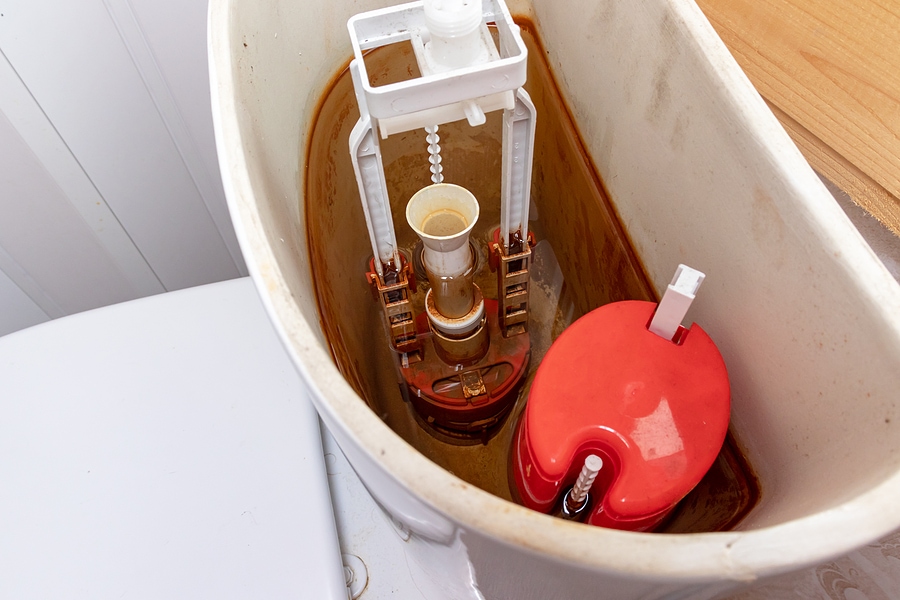
    Iron bacteria are naturally occurring microorganisms that survive by feeding on iron found in groundwater. As they consume iron, they produce a sticky, slimy substance that clings to pipes, pumps, and fixtures. That slimy buildup often appears orange, brown, or rust-colored.

    Many people mistake the problem for simple iron staining, but iron bacteria behave differently. They continue growing over time, forming thicker deposits that can clog plumbing and reduce water pressure. You may also notice a swampy or musty smell whenever water sits in the pipes for a while.

    Because private wells draw water directly from underground sources, they are especially vulnerable to this type of contamination.

    Signs That Your Well Water May Have a Problem

    The symptoms aren’t always dramatic. In fact, they often develop slowly enough that homeowners simply get used to them.

    Some of the most common warning signs include:

    • Rust-colored slime inside toilet tanks
    • Orange stains on sinks and bathtubs
    • Metallic or earthy-smelling water
    • Reduced water pressure
    • Clogged filters
    • Frequent plumbing maintenance
    • Dirty-looking water after long periods without use

    If several of these signs appear together, it’s worth having your water professionally tested before assuming it’s only hard water or excess iron.

    Why Regular Testing Matters

    Private well owners don’t receive municipal water quality monitoring. That responsibility falls entirely on the homeowner.

    Regular testing helps identify not only iron bacteria but also minerals, sediment, manganese, sulfur, nitrates, and other contaminants that may affect water quality. Testing provides a complete picture rather than relying on guesswork.

    Water can change over time due to seasonal rainfall, nearby construction, or changes in groundwater conditions. Even a well that has produced clean water for years can eventually develop new issues.

    Protecting Your Home Starts with Proper Well Maintenance

    A private well isn’t something you install once and forget about. Like any important part of your home, it benefits from routine care.

    Modern well water systems perform best when they’re inspected regularly. Checking pumps, pressure tanks, seals, and plumbing connections can prevent small issues from turning into expensive repairs later.

    Simple maintenance habits also reduce the chance of bacteria establishing long-term colonies inside the plumbing system. It’s a bit like changing the oil in your car—you rarely notice the benefits immediately, but skipping maintenance almost always costs more in the long run.

    Can Shock Chlorination Solve the Problem?

    One of the first treatments many professionals recommend is shock chlorination. This process involves introducing a strong chlorine solution throughout the entire well and plumbing network.

    Shock chlorination can significantly reduce iron bacteria populations, especially if the contamination is relatively new. However, it’s rarely a permanent solution.

    Because iron bacteria naturally exist underground, they often return after weeks or months. That’s why many homeowners eventually combine disinfecting treatments with ongoing filtration for more reliable long-term results.

    Choosing the Right Treatment for Long-Term Results

    Every well is different, which means there isn’t one universal answer.

    Some homes deal mainly with dissolved iron, while others struggle with sulfur odors, manganese, sediment, or bacterial growth all at once. The best treatment depends on detailed water testing rather than assumptions.

    High-quality water filtration systems can be customized to remove specific contaminants affecting your water supply. Depending on the situation, treatment may include oxidation filters, sediment filtration, activated carbon, air injection systems, ultraviolet disinfection, or specialized iron removal equipment.

    Rather than masking the symptoms, a properly designed filtration system addresses the source of the problem and delivers cleaner, more consistent water throughout the home.

    Everyday Benefits of Cleaner Water

    When water quality improves, the difference often becomes noticeable almost immediately.

    Soap rinses more effectively. Laundry looks brighter. Dishes dry without stubborn stains. Water heaters and washing machines don’t have to work as hard, helping them last longer.

    Even small improvements can make daily routines feel easier. Many homeowners are surprised by how much better showers feel or how much fresher drinking water tastes after installing the right treatment equipment.

    The financial benefits also add up over time. Cleaner plumbing means fewer repairs, fewer clogged fixtures, and less money spent replacing damaged appliances.

    Prevention Is Easier Than Constant Repairs

    Ignoring iron bacteria rarely makes the problem disappear. In fact, it usually becomes more expensive over time.

    As slime builds inside pipes, water flow decreases. Pumps work harder. Filters clog faster. Water heaters collect additional sediment, reducing efficiency while increasing energy costs.

    Routine inspections, scheduled maintenance, and periodic water testing are far less expensive than replacing plumbing systems or drilling a new well because contamination was allowed to continue unchecked.

    A proactive approach almost always saves both money and frustration.

    Final Thoughts

    Living with well water offers plenty of advantages, from greater independence to avoiding municipal water bills. Still, that freedom comes with the responsibility of maintaining your water source.

    If you notice staining, unpleasant odors, or slimy buildup around your plumbing fixtures, don’t ignore the warning signs. Early testing can identify the cause before it develops into a larger issue. Whether the solution involves shock chlorination, equipment upgrades, or a complete filtration strategy, taking action today helps protect both your home and your family’s daily comfort.

    Clean water isn’t just about what comes out of the tap—it’s about confidence. Knowing your water is fresh, reliable, and properly treated makes every glass you pour and every shower you take just a little more enjoyable. With the right maintenance and treatment plan, even persistent well water problems can become something you hardly think about anymore.

  • Why Getting Electrical Permits Right Is One of the Smartest Decisions in Commercial Construction

    Why Getting Electrical Permits Right Is One of the Smartest Decisions in Commercial Construction

    When people imagine a commercial construction project, they usually picture cranes lifting steel, crews pouring concrete, or electricians running cables through unfinished walls. Those moments certainly define the visible side of construction, but many of the most important decisions happen long before anyone steps onto the job site.

    One of those decisions involves permits and approvals.

    They rarely make headlines, and they don’t add visual appeal to a finished building, yet they quietly influence the pace, safety, and success of an entire project. A well-managed permit process helps construction move forward with fewer interruptions, while poor preparation can create delays that affect every trade involved.

    In many ways, paperwork isn’t just paperwork. It’s part of building something that’s designed to last.

    Every Successful Project Begins Long Before Construction

    Construction starts with planning.

    Architects prepare drawings, engineers review structural calculations, contractors organise schedules, and owners work through budgets and future operational goals. Every stage depends on careful coordination, especially when electrical systems are involved.

    Electrical infrastructure connects with nearly every other building system. Heating, cooling, security, communications, emergency lighting, elevators, and specialised equipment all rely on dependable electrical planning.

    Because so many components work together, even small delays during the approval stage can affect the overall construction schedule.

    That’s why experienced teams place so much importance on preparing documentation early rather than rushing through it later.

    Why the permitting process Matters More Than Many People Realise

    The permitting process isn’t designed to slow construction down.

    Its purpose is to ensure proposed electrical work meets recognised safety standards before installation begins. It provides an opportunity for plans to be reviewed, questions to be resolved, and potential issues to be identified while changes are still relatively easy to make.

    Without that review, mistakes may remain hidden until much later, when correcting them becomes considerably more expensive.

    Permits also help create accountability.

    Everyone involved understands the approved scope of work, inspection requirements, and expectations before construction moves forward.

    That clarity benefits contractors, inspectors, property owners, and ultimately the people who will use the building every day.

    Every Building Comes with Different Challenges

    Commercial construction is anything but predictable.

    A medical centre requires dependable emergency power systems. A warehouse focuses on equipment flexibility and efficient lighting. Restaurants demand specialised electrical capacity for kitchens, while office buildings rely heavily on technology infrastructure.

    Because every project has unique demands, permit documentation often differs from one building to another.

    Experienced professionals recognise these differences early and prepare plans that reflect the specific purpose of the property rather than relying on generic templates.

    That customised approach usually leads to smoother approvals and fewer revisions.

    Careful Planning Helps electrical projects Stay on Schedule

    Large electrical projects involve much more than pulling wire and installing panels.

    Material deliveries, inspections, equipment coordination, labour scheduling, and communication between multiple construction trades all need to happen in the right order.

    Even a relatively small delay during planning can affect contractors working later in the schedule.

    That’s why experienced project managers pay close attention to timelines while ensuring electrical documentation remains accurate and complete before installation begins.

    The more organised the preparation, the easier it becomes for every team to work efficiently once construction gets underway.

    Communication Prevents Expensive Surprises

    Construction succeeds through collaboration.

    Electricians regularly coordinate with architects, mechanical engineers, structural designers, plumbing contractors, technology consultants, and interior designers throughout every phase of a commercial project.

    Each discipline influences the others.

    Lighting layouts affect ceiling design. Electrical rooms require structural space. Mechanical equipment depends on dedicated power supplies. Fire safety systems interact with emergency electrical circuits.

    Open communication allows these relationships to be addressed before installation begins rather than after conflicts appear on site.

    That proactive approach saves time, reduces unnecessary rework, and helps projects stay on track.

    Understanding local regulations Protects Everyone

    Building codes and local regulations vary from one jurisdiction to another, which makes local knowledge incredibly valuable during commercial construction.

    Requirements for electrical installations, inspections, emergency systems, energy efficiency, and documentation often differ depending on where a project is located.

    Professionals who understand these requirements can prepare documentation more accurately while reducing the likelihood of delays caused by missing information or non-compliant designs.

    Following local regulations isn’t simply about passing inspections.

    It’s about creating safer buildings that perform reliably throughout their entire lifespan.

    Looking Beyond Immediate Construction

    One of the biggest advantages of thoughtful electrical planning is that it prepares buildings for the future.

    Businesses grow.

    Technology changes.

    Power demands increase.

    Buildings that include spare electrical capacity, accessible conduit pathways, and flexible infrastructure adapt much more easily to those changes than buildings designed only for current needs.

    Planning ahead rarely attracts much attention during construction, yet it often becomes one of the most valuable decisions owners make.

    Future renovations become less disruptive, equipment upgrades cost less, and maintenance teams appreciate systems that remain practical years after installation.

    Small Decisions Often Produce the Biggest Results

    Commercial construction involves countless decisions that seem fairly ordinary at the time.

    Choosing electrical panel locations.

    Planning inspection schedules.

    Organising permit documentation.

    Coordinating contractor access.

    Allowing room for future expansion.

    Individually, none of these feels particularly dramatic.

    Together, however, they shape how efficiently the building operates for decades.

    Good construction isn’t simply about finishing a project quickly.

    It’s about finishing it well.

    Building Confidence That Lasts

    When people walk into a completed commercial building, they notice the architecture, the lighting, the open spaces, and the polished finishes. Very few stop to think about the planning, permits, inspections, and coordination that made those spaces possible.

    Yet those behind-the-scenes efforts are exactly what create reliable, safe, and efficient buildings.

    A carefully managed electrical permitting process helps prevent delays, supports compliance, and ensures every installation meets the standards expected of modern commercial construction. Combined with strong communication, experienced professionals, and thoughtful long-term planning, it lays the groundwork for buildings that continue serving businesses and communities long after construction has ended.

    In the end, the best projects aren’t remembered because they avoided paperwork—they’re remembered because every detail, including the ones no one sees, was handled with care from the very beginning.

  • Car Rental Services in Delhi: Affordable and Convenient Travel Options

    Car Rental Services in Delhi: Affordable and Convenient Travel Options

    Introduction

    Delhi, the capital city of India, is known for its fast-paced lifestyle, heavy traffic, and vast geographical spread. In such a dynamic environment, having access to flexible transportation is essential for residents, tourists, and business travelers. Car rental services have become a popular solution for comfortable and hassle-free travel across the city. Whether it is attending meetings, exploring tourist attractions, or planning outstation trips, rental cars offer convenience without the burden of ownership. With multiple service providers available both online and offline, booking a vehicle in Delhi has become quick, easy, and budget-friendly.

    Benefits of Choosing Car Rentals in Delhi

    Car rental services provide a practical alternative to owning a private vehicle, especially in a busy metro city like Delhi. Users can select from a wide range of vehicles including hatchbacks, sedans, SUVs, and luxury cars based on their travel needs and budget.

    Opting for car on rent in delhi allows users to enjoy comfort, privacy, and flexibility while traveling. Unlike public transport, rental cars save time and provide door-to-door service. Many companies also offer self-drive and chauffeur-driven options, making it suitable for both independent travelers and those who prefer a professional driver. With hourly, daily, and monthly packages available, users can choose plans that best fit their travel requirements.

    Easy Booking and Flexible Options

    One of the biggest advantages of modern car rental services is the ease of booking. Most companies in Delhi now operate through mobile apps and websites, allowing users to reserve vehicles within minutes. The process usually includes selecting the car type, uploading driving documents, and making secure online payments.

    When you choose to hire car on rent in delhi you also get access to flexible pickup and drop-off locations across the city. Many providers offer airport pickup, railway station drop services, and doorstep delivery, making the experience even more convenient. This flexibility is especially useful for tourists who want to explore Delhi’s famous attractions like India Gate, Qutub Minar, and Red Fort without depending on taxis or public transport schedules.

    Car Rental in Delhi for Tourists and Business Travelers

    Delhi attracts millions of tourists and business professionals every year. For them, reliable transportation is crucial for smooth travel. Car rental services bridge this gap by offering comfortable and cost-effective mobility solutions.

    Searching for car rental in delhi india helps travelers find a wide variety of service providers offering both economy and premium cars. Tourists can explore historical monuments, shopping markets, and nearby destinations like Agra and Jaipur with ease. Business travelers benefit from punctual and professional travel options that ensure they reach meetings on time without stress. Many rental companies also provide GPS-enabled vehicles and 24/7 customer support for added safety and convenience.

    Cost-Effective and Comfortable Travel Solution

    One of the major reasons people prefer car rentals in Delhi is cost efficiency. Owning a car in a metropolitan city involves expenses like maintenance, insurance, fuel, and parking. Car rentals eliminate these long-term costs and provide a pay-as-you-use model.

    Additionally, rental cars offer a high level of comfort and cleanliness, making them ideal for family trips and long journeys. Users can choose premium vehicles for special occasions such as weddings, corporate events, or airport transfers. This flexibility makes car rentals a smart choice for both short-term and long-term travel needs.

    Conclusion

    Car rental services in Delhi have transformed urban transportation by offering flexibility, affordability, and convenience. Whether for daily commuting, business travel, or sightseeing, rental cars provide a stress-free way to move around the city. With easy online booking systems and a wide range of vehicle options, travelers can now enjoy seamless mobility without ownership hassles. As the demand continues to grow, car rental services are becoming an essential part of modern travel in Delhi.