If you’ve ever turned on a faucet and noticed reddish slime around the drain or caught a strange earthy smell coming from your tap, you’re definitely not the only one. Many homeowners who rely on private wells run into water quality issues that don’t always seem serious at first. Sometimes it’s just a stain in the sink. Other times, it’s a persistent odor that refuses to go away no matter how much you clean.
One of the most common culprits behind these problems is iron bacteria in well water. While it usually isn’t considered dangerous to human health, it can create plenty of headaches around the house. Left untreated, it can affect plumbing, reduce water flow, stain laundry, and even shorten the lifespan of household appliances. The good news? Once you understand what’s happening, finding the right solution becomes much easier.
What Exactly Are Iron Bacteria?
Iron bacteria are naturally occurring microorganisms that survive by feeding on iron found in groundwater. As they consume iron, they produce a sticky, slimy substance that clings to pipes, pumps, and fixtures. That slimy buildup often appears orange, brown, or rust-colored.
Many people mistake the problem for simple iron staining, but iron bacteria behave differently. They continue growing over time, forming thicker deposits that can clog plumbing and reduce water pressure. You may also notice a swampy or musty smell whenever water sits in the pipes for a while.
Because private wells draw water directly from underground sources, they are especially vulnerable to this type of contamination.
Signs That Your Well Water May Have a Problem
The symptoms aren’t always dramatic. In fact, they often develop slowly enough that homeowners simply get used to them.
Some of the most common warning signs include:
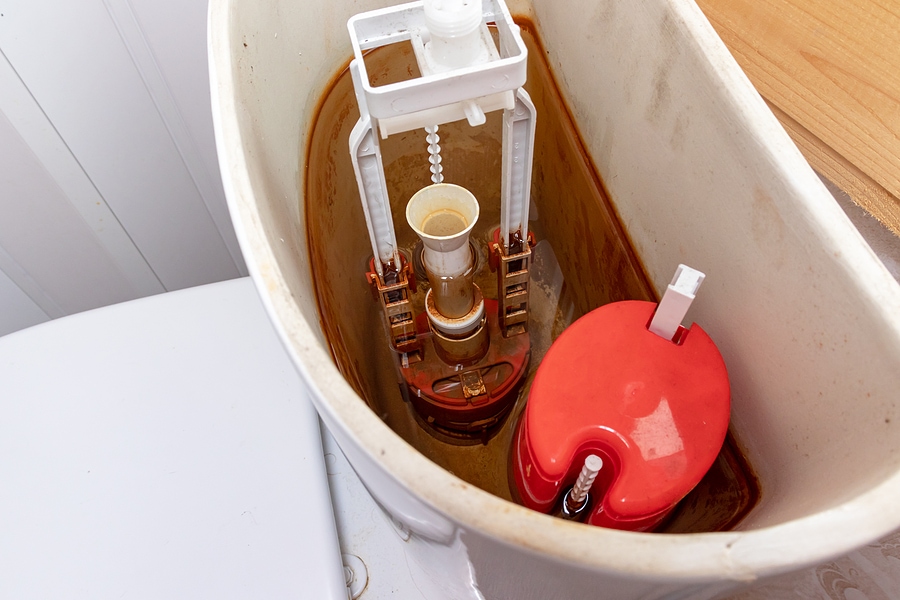
- Rust-colored slime inside toilet tanks
- Orange stains on sinks and bathtubs
- Metallic or earthy-smelling water
- Reduced water pressure
- Clogged filters
- Frequent plumbing maintenance
- Dirty-looking water after long periods without use
If several of these signs appear together, it’s worth having your water professionally tested before assuming it’s only hard water or excess iron.
Why Regular Testing Matters
Private well owners don’t receive municipal water quality monitoring. That responsibility falls entirely on the homeowner.
Regular testing helps identify not only iron bacteria but also minerals, sediment, manganese, sulfur, nitrates, and other contaminants that may affect water quality. Testing provides a complete picture rather than relying on guesswork.
Water can change over time due to seasonal rainfall, nearby construction, or changes in groundwater conditions. Even a well that has produced clean water for years can eventually develop new issues.
Protecting Your Home Starts with Proper Well Maintenance
A private well isn’t something you install once and forget about. Like any important part of your home, it benefits from routine care.
Modern well water systems perform best when they’re inspected regularly. Checking pumps, pressure tanks, seals, and plumbing connections can prevent small issues from turning into expensive repairs later.
Simple maintenance habits also reduce the chance of bacteria establishing long-term colonies inside the plumbing system. It’s a bit like changing the oil in your car—you rarely notice the benefits immediately, but skipping maintenance almost always costs more in the long run.
Can Shock Chlorination Solve the Problem?
One of the first treatments many professionals recommend is shock chlorination. This process involves introducing a strong chlorine solution throughout the entire well and plumbing network.
Shock chlorination can significantly reduce iron bacteria populations, especially if the contamination is relatively new. However, it’s rarely a permanent solution.
Because iron bacteria naturally exist underground, they often return after weeks or months. That’s why many homeowners eventually combine disinfecting treatments with ongoing filtration for more reliable long-term results.
Choosing the Right Treatment for Long-Term Results
Every well is different, which means there isn’t one universal answer.
Some homes deal mainly with dissolved iron, while others struggle with sulfur odors, manganese, sediment, or bacterial growth all at once. The best treatment depends on detailed water testing rather than assumptions.
High-quality water filtration systems can be customized to remove specific contaminants affecting your water supply. Depending on the situation, treatment may include oxidation filters, sediment filtration, activated carbon, air injection systems, ultraviolet disinfection, or specialized iron removal equipment.
Rather than masking the symptoms, a properly designed filtration system addresses the source of the problem and delivers cleaner, more consistent water throughout the home.
Everyday Benefits of Cleaner Water
When water quality improves, the difference often becomes noticeable almost immediately.
Soap rinses more effectively. Laundry looks brighter. Dishes dry without stubborn stains. Water heaters and washing machines don’t have to work as hard, helping them last longer.
Even small improvements can make daily routines feel easier. Many homeowners are surprised by how much better showers feel or how much fresher drinking water tastes after installing the right treatment equipment.
The financial benefits also add up over time. Cleaner plumbing means fewer repairs, fewer clogged fixtures, and less money spent replacing damaged appliances.
Prevention Is Easier Than Constant Repairs
Ignoring iron bacteria rarely makes the problem disappear. In fact, it usually becomes more expensive over time.
As slime builds inside pipes, water flow decreases. Pumps work harder. Filters clog faster. Water heaters collect additional sediment, reducing efficiency while increasing energy costs.
Routine inspections, scheduled maintenance, and periodic water testing are far less expensive than replacing plumbing systems or drilling a new well because contamination was allowed to continue unchecked.
A proactive approach almost always saves both money and frustration.
Final Thoughts
Living with well water offers plenty of advantages, from greater independence to avoiding municipal water bills. Still, that freedom comes with the responsibility of maintaining your water source.
If you notice staining, unpleasant odors, or slimy buildup around your plumbing fixtures, don’t ignore the warning signs. Early testing can identify the cause before it develops into a larger issue. Whether the solution involves shock chlorination, equipment upgrades, or a complete filtration strategy, taking action today helps protect both your home and your family’s daily comfort.
Clean water isn’t just about what comes out of the tap—it’s about confidence. Knowing your water is fresh, reliable, and properly treated makes every glass you pour and every shower you take just a little more enjoyable. With the right maintenance and treatment plan, even persistent well water problems can become something you hardly think about anymore.