There’s something oddly frustrating about walking into your home on a hot afternoon, expecting a blast of cool air, only to realize the house feels just as warm as it did outside. You lower the thermostat, wait a while, and… nothing really changes. Sound familiar? You’re definitely not alone.
Air conditioners rarely stop working without leaving a few clues along the way. Sometimes those signs are subtle, and other times they’re impossible to ignore. The good news is that many cooling problems have straightforward causes, especially if they’re caught early. Understanding what’s happening behind the scenes can save you money, reduce stress, and even extend the lifespan of your HVAC system.
A Cooling System Needs More Than Just Power
A lot of homeowners assume that if the AC turns on, everything must be working correctly. In reality, an air conditioner is a collection of components that all depend on one another. The compressor, evaporator coil, condenser, refrigerant, blower motor, filters, and thermostat each have a specific role.
When even one part isn’t performing as it should, the entire system struggles. That’s why your unit might continue running for hours without actually making your home any cooler. It’s not always a major breakdown—sometimes it’s simply a small issue that gradually grew into a bigger one.
Regular maintenance often catches these problems before they become expensive repairs.
Small Refrigerant Issues Can Create Big Problems
Refrigerant is what allows your air conditioner to absorb heat from inside your home and release it outdoors. Without enough of it, the cooling cycle simply can’t function efficiently.
One of the most overlooked reasons for poor cooling is low refrigerant levels. This doesn’t usually happen because refrigerant gets “used up.” Instead, it often indicates a leak somewhere within the sealed system. Along with weak cooling, you may notice longer operating cycles, higher electricity bills, or warm air coming from your vents.
A professional technician can locate the leak, repair it properly, and recharge the system according to manufacturer specifications. Simply adding refrigerant without fixing the source of the leak is only a temporary solution.
Ice on the Unit Isn’t Actually a Good Sign
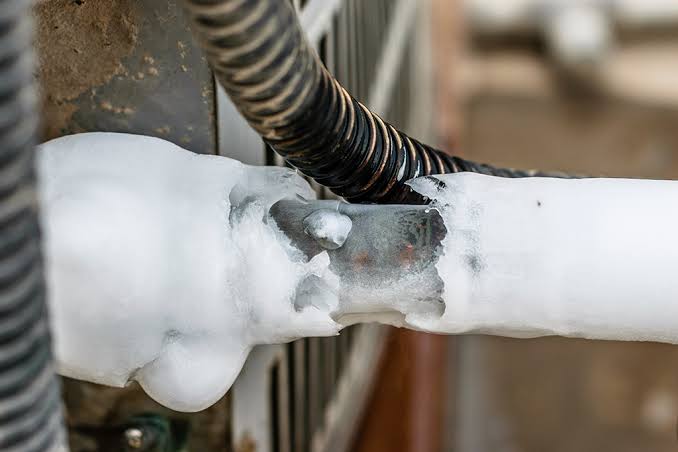
It may seem strange, but seeing ice on your air conditioner during summer isn’t normal at all.
A frozen evaporator coil usually develops because airflow has been restricted or refrigerant pressure has dropped. As the temperature of the coil falls below freezing, moisture from the air turns into ice. Over time, that ice continues building until the system can barely cool your home.
If you notice frost or solid ice around the indoor unit, it’s best to turn the air conditioner off and let it thaw before calling a technician. Continuing to run the system may place unnecessary strain on the compressor, which is one of the most expensive components to replace.
Airflow Matters More Than Most People Realize
Cool air can’t help if it never reaches the rooms where you need it.
One surprisingly common culprit is blocked air vents. Furniture, curtains, storage boxes, rugs, or even decorative items can unintentionally restrict airflow. Closing multiple vents throughout the house can also upset the balance of your HVAC system, forcing it to work harder than necessary.
Take a quick walk around your home every few months. Make sure supply and return vents remain open and unobstructed. It’s a simple habit that can noticeably improve comfort without spending a single dollar.
Dirty Filters Quietly Reduce Performance
Air filters don’t get much attention until they become completely clogged. Unfortunately, by then they’ve probably been affecting your system for weeks.
A dirty filter restricts airflow, forcing the blower motor to work harder while reducing the amount of cool air circulating through your home. That extra strain can shorten equipment life and increase monthly energy costs.
For most homes, replacing the filter every one to three months is a smart routine. Homes with pets, allergies, or heavy dust may benefit from more frequent replacements.
It’s one of those maintenance tasks that’s easy to forget but surprisingly rewarding.
Your Thermostat Might Be Sending the Wrong Signals
Sometimes the air conditioner isn’t actually the problem.
If your thermostat is miscalibrated, installed in direct sunlight, or beginning to fail, it may misread your home’s temperature. That can cause short cycling, uneven cooling, or continuous operation.
Before assuming something serious has failed, verify the thermostat settings, replace the batteries if applicable, and make sure nothing nearby is affecting its temperature readings.
Smart thermostats can also improve efficiency by learning your schedule and maintaining more consistent indoor temperatures throughout the day.
Outdoor Units Need Room to Breathe
People often focus entirely on the indoor equipment while forgetting about the outdoor condenser.
Leaves, weeds, grass clippings, dirt, and even nearby shrubs can reduce airflow around the condenser coils. When heat can’t escape efficiently, the entire cooling process becomes less effective.
Keeping at least two feet of open space around the outdoor unit helps improve performance. Occasionally rinsing the condenser coils with a gentle stream of water can also remove accumulated dirt, although professional cleaning is recommended for heavily soiled systems.
Don’t Ignore Strange Sounds or Odors
Your HVAC system communicates more than you might think.
Buzzing, rattling, grinding, squealing, or clicking sounds often indicate developing mechanical issues. Likewise, musty smells may point toward mold growth inside the system, while burning odors could suggest electrical problems.
Waiting usually doesn’t make these symptoms disappear. In many cases, early repairs cost significantly less than waiting until a component completely fails.
Think of unusual noises the same way you’d treat warning lights in your car—they deserve attention before the problem grows.
Preventive Maintenance Always Pays Off
Most expensive AC repairs don’t happen overnight. They develop gradually through months or even years of neglected maintenance.
Scheduling annual inspections allows technicians to clean coils, inspect electrical components, verify refrigerant pressures, lubricate moving parts where needed, and identify worn components before they fail unexpectedly.
Beyond preventing breakdowns, routine maintenance also helps your air conditioner operate more efficiently, which often translates into lower energy bills and improved indoor comfort throughout the cooling season.
A Comfortable Home Starts With Early Attention
Air conditioning problems rarely fix themselves. More often than not, they become larger—and more expensive—the longer they’re ignored.
Whether the issue stems from restricted airflow, refrigerant loss, thermostat inaccuracies, or simple maintenance that slipped through the cracks, paying attention to the early warning signs makes all the difference.
A little preventive care today can help your system run smoothly for years to come. And honestly, there’s something reassuring about knowing your home will stay cool when temperatures outside are climbing. Comfort isn’t just about cold air—it’s about reliability, peace of mind, and avoiding those unexpected repair bills that always seem to arrive during the hottest week of the summer.