Another repair bill arrives, and you find yourself wondering how much longer your old water filtration system is going to last. It worked beautifully when you first installed it, but lately, something always seems to need attention. A leaking connection here, a faulty valve there. Those little expenses eventually start adding up.
It’s a situation plenty of homeowners encounter as their water treatment equipment ages.
The good news is that you don’t have to make a replacement decision based entirely on frustration. Understanding the condition of your existing equipment, considering newer technologies, and reviewing your household’s water requirements can help you decide what makes sense.
Sometimes, another repair is worthwhile. Sometimes, moving on is the better investment.
Understanding the Condition of Your Existing Equipment
Before spending money on new filtration equipment, it’s worth finding out whether your current system still has some useful life left.
A comprehensive water filtration system upgrade assessment can help identify performance limitations, worn components, maintenance concerns, and opportunities for improving treatment efficiency.
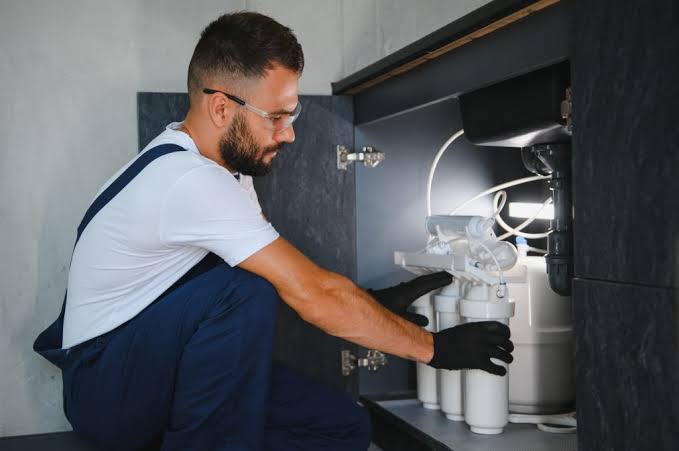
During an assessment, a qualified technician may examine operating pressure, filtration capacity, plumbing connections, and the condition of essential components.
Your household’s current water consumption should also be considered.
Perhaps the original equipment was designed for two people, but your family has grown significantly since then. What once provided adequate capacity might struggle during periods of greater demand.
An assessment helps separate genuine equipment limitations from problems that could be resolved through straightforward servicing.
That distinction matters, especially when replacing an entire system represents a considerable financial commitment.
When Frequent Repairs Become a Financial Burden
There’s nothing wrong with repairing household equipment. In fact, extending the useful life of an appliance often makes excellent financial and environmental sense.
However, repeated breakdowns can eventually change the equation.
For many homeowners, replacing repeatedly repaired water treatment systems becomes a practical decision when maintenance expenses continue increasing without delivering dependable results.
Consider a softener that has required several valve repairs, experienced recurring regeneration problems, and developed additional mechanical faults within a relatively short period.
Another service appointment might resolve the immediate issue, but how confident are you that something else won’t fail soon afterward?
Review previous repair invoices and consider the inconvenience associated with equipment downtime.
If repair expenses are steadily approaching the cost of suitable replacement equipment, it may be time to explore alternatives.
Finding a Replacement System That Actually Meets Your Needs
Shopping for new filtration equipment can feel overwhelming. There are countless product descriptions, treatment technologies, and features competing for your attention.
When comparing water treatment system replacement options, focus on your actual water quality concerns rather than choosing equipment based solely on price or advertised capabilities.
Traditional water softeners address excessive mineral hardness. Carbon filtration can reduce particular chemical tastes and odors, while reverse osmosis equipment may reduce various dissolved contaminants according to its verified performance.
Some properties require a combination of treatment methods.
Start with appropriate water testing and discuss the findings with a knowledgeable specialist.
You might discover that a simpler arrangement would adequately serve your household. Alternatively, updated testing could reveal concerns that your previous equipment wasn’t designed to address.
Either way, reliable information makes choosing replacement equipment considerably easier.
What Has Changed Since Your Original Installation?
Think back to when you first purchased your water filtration system.
Was your household smaller? Did you recently move into the property? Were you primarily concerned about unpleasant drinking water or mineral accumulation?
Several years later, your priorities might look quite different.
Perhaps you’ve renovated your kitchen, installed additional appliances, or started working from home more frequently. These changes can influence daily water consumption.
Your incoming water characteristics may also have changed over time.
Private well owners, in particular, should remain mindful of appropriate water quality monitoring.
Replacing equipment provides an opportunity to reconsider these evolving requirements.
Rather than purchasing an updated version of the same system out of habit, choose something that reflects how your household actually uses water today.
Looking Beyond the Purchase Price
A new filtration system might initially seem expensive, particularly when compared with the cost of another repair.
However, the purchase price tells only part of the story.
Replacement cartridges, professional servicing, regeneration supplies, and water consumption all contribute to long-term ownership expenses.
Ask about these costs before making a decision. Also consider warranty coverage and whether compatible replacement components will remain readily available.
Certain newer systems may offer operational advantages, such as demand-based regeneration or more efficient water production.
Those features could provide meaningful benefits depending on your household’s circumstances.
The most economical choice isn’t always the cheapest equipment on the showroom floor. It’s the one that delivers suitable performance at a manageable overall cost.
Making Your Next Installation More Convenient
Replacing older equipment is also a chance to address small frustrations you’ve tolerated for years.
Maybe changing cartridges requires awkwardly reaching behind a storage cabinet. Perhaps your softener occupies more space than necessary.
Discuss these concerns with your installer.
Proper equipment placement, accessible connections, adequate servicing clearance, and suitable drainage can make future maintenance much easier.
Ask about responsible removal of old components and potential water supply interruptions during installation.
Once the new equipment is operating, follow recommended maintenance schedules and arrange appropriate testing to verify treatment performance.
A Fresh Start for Your Household Water
Deciding whether to repair or replace aging filtration equipment ultimately comes down to reliability, water quality, and long-term value.
Don’t rush into purchasing something new simply because your existing system is old. But don’t feel compelled to keep repairing equipment that’s become a constant source of frustration, either.
Make an informed choice based on your present circumstances.
After all, dependable water treatment should make everyday life easier, leaving you free to spend your time and money on things you actually enjoy.