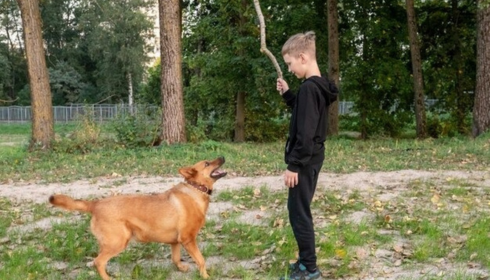
If you’re looking for effective obedience foundation training for puppies, you’re already taking the most important step toward raising a well-behaved, confident dog. In a city like Phoenix, where distractions, heat, and fast-paced environments can easily overwhelm young dogs, structured early training is essential. This guide breaks down how obedience foundation training for puppies builds lifelong behavior habits, what techniques actually work in real-world environments, and how dog owners can create consistency from day one.
Whether you’re a first-time puppy owner or adding another dog to your home, the foundation you build now determines how your puppy behaves as an adult. Let’s explore how to do it right.
Why Obedience Foundation Training for Puppies Matters
Obedience foundation training for puppies is more than teaching “sit” or “stay.” It is the structured process of shaping communication, trust, and behavior patterns during the most critical developmental stage of a dog’s life.
Puppies experience rapid brain development in the first 16–20 weeks. During this period, they absorb information quickly, form associations, and develop responses to their environment. Without structured guidance, puppies may develop unwanted behaviors such as:
- Excessive barking
- Jumping on people
- Leash pulling
- Separation anxiety
- Destructive chewing
- Fear-based reactions
Early foundation training prevents these issues before they become long-term habits.
In Phoenix, environmental factors like hot pavement, busy neighborhoods, and high stimulation areas make structured training even more important for safe and confident behavior development.
Core Principles of Obedience Foundation Training for Puppies
Successful obedience foundation training for puppies is built on consistency, timing, and reinforcement. Puppies don’t learn through correction alone; they learn through association and repetition.
1. Positive Reinforcement
Reward-based training is the most effective method for young dogs. Puppies learn faster when good behavior results in something positive.
Rewards can include:
- Treats
- Praise
- Toys
- Affection
The key is timing—reward within 1–2 seconds of the desired behavior.
2. Clear Communication
Dogs don’t understand long explanations. Commands should be:
- Short (“sit,” “down,” “come”)
- Consistent
- Delivered in a calm tone
3. Repetition and Routine
Puppies thrive on structure. Repeating training exercises in short sessions (5–10 minutes) helps reinforce learning without overwhelming them.
4. Environment Management
Setting up the environment for success is just as important as teaching commands. This includes:
- Using crates appropriately
- Limiting distractions during early training
- Supervising free time
Essential Skills in Obedience Foundation Training for Puppies
A strong foundation focuses on practical, real-life skills that improve safety and behavior at home and in public.
Sit, Down, and Stay Commands
These basic cues form the backbone of obedience foundation training for puppies. They teach impulse control and patience.
- Sit: Helps manage excitement and greetings
- Down: Encourages calm behavior
- Stay: Builds self-control and focus
Start in a quiet space before gradually adding distractions.
Recall Training (Come When Called)
Recall is one of the most important safety behaviors a puppy can learn. A reliable recall can prevent accidents and dangerous situations.
Training tips:
- Use a happy, consistent tone
- Never punish a puppy for coming to you
- Reward heavily when they respond correctly
Practice in safe, enclosed areas before moving to outdoor environments.
Leash Training and Walking Manners
Leash skills are critical in busy areas like Phoenix. Puppies naturally pull because they are excited and curious.
To improve leash behavior:
- Stop moving when the leash tightens
- Reward walking beside you
- Use direction changes to regain focus
- Keep early walks short and structured
Consistency is more important than distance in early training stages.
Crate Training for Structure and Security
Crate training supports obedience foundation training for puppies by providing a safe, structured space for rest and learning.
Benefits include:
- House training support
- Reduced anxiety when alone
- Prevention of destructive behavior
- Improved sleep routines
A crate should never be used as punishment. Instead, it should feel like a safe den.
Socialization as Part of Obedience Foundation Training for Puppies
Socialization is a critical component of early obedience development. It helps puppies learn how to respond appropriately to new people, animals, sounds, and environments.
Proper socialization includes:
- Exposure to different environments (parks, sidewalks, pet-friendly stores)
- Meeting calm, vaccinated dogs
- Experiencing household sounds (vacuum, TV, doorbells)
- Positive human interactions
In Phoenix, controlled exposure to outdoor environments is important due to the heat and high sensory stimulation.
The goal is not to overload but rather to have a gradual, positive exposure.
Common Mistakes in Puppy Training
Even well-intentioned owners can slow progress by making avoidable mistakes during obedience foundation training for puppies.
1. Inconsistent Rules
Allowing a behavior sometimes but not always confuses puppies and slows learning.
2. Long Training Sessions
Puppies have short attention spans. Long sessions reduce focus and retention.
3. Punishment-Based Methods
Punishment can create fear and anxiety, which often leads to behavioral issues.
4. Lack of Routine
Without a predictable schedule, puppies struggle to understand expectations.
5. Delayed Rewards
Timing matters. Rewards must immediately follow correct behavior.
Building Real-World Obedience in Phoenix Environments
Training in controlled environments is only the first step. Real obedience is built by gradually introducing real-world distractions.
Phoenix presents unique challenges, such as:
- High temperatures affect energy levels
- Busy urban sidewalks
- Strong environmental stimuli
- Frequent outdoor activity spaces
To prepare puppies:
- Start training indoors
- Move to backyard practice
- Progress to quiet public spaces
- Gradually increase distractions
This step-by-step exposure ensures reliable behavior in any setting.
How Professional Training Supports Faster Results
While many owners begin training at home, professional guidance can significantly improve results, especially during the critical early stages.
Working with a structured program like Rob’s Dog Training in Phoenix can help owners:
- Identify behavioral issues early
- Apply correct timing and techniques
- Build structured training plans
- Improve consistency between home and sessions
Professional trainers also help owners avoid common mistakes that delay progress.
Long-Term Benefits of Obedience Foundation Training for Puppies
Investing time in obedience foundation training for puppies creates lasting benefits that extend into adulthood.
These include:
- Better behavior in public spaces
- Reduced anxiety and stress
- Improved safety and recall reliability
- Stronger owner-dog communication
- Easier advanced training later in life
A well-trained puppy becomes a confident, adaptable adult dog capable of handling new environments with ease.
Practical Daily Training Schedule
Consistency matters more than intensity. A simple daily structure can include:
Morning:
- Potty break
- 5–10 minutes basic commands
- Short leash walk
Afternoon:
- Socialization exposure
- Play-based training reinforcement
Evening:
- Calm obedience practice
- Crate time reinforcement
- Relaxation period
Short, frequent sessions produce better results than long, inconsistent training blocks.
Building a Strong Foundation That Lasts
Obedience foundation training for puppies is not just about teaching commands it is about shaping behavior, communication, and trust from the earliest stage of development. When done correctly, it prevents future problems and builds a lifelong bond between dog and owner.
In a dynamic city like Phoenix, structured training is even more important to help puppies adapt confidently to their environment. With consistency, patience, and the right approach, every puppy can develop into a well-mannered companion.
For owners who want guided support and structured results, professional programs like Rob’s Dog Training can provide the expertise needed to build a strong, reliable foundation from the start.