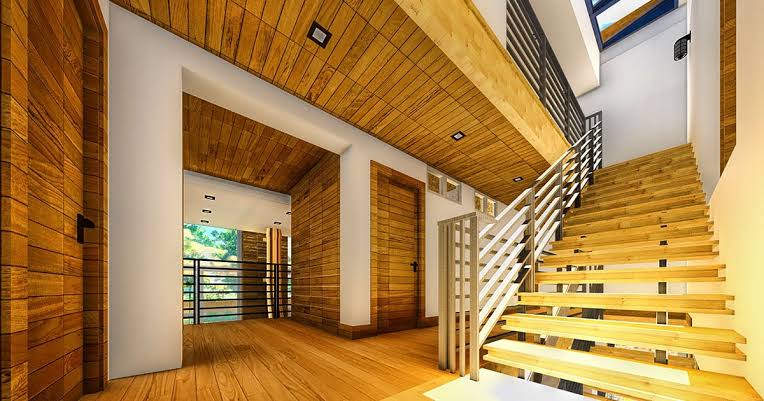
Some rooms make an impression the moment you walk in. Others take a little longer to appreciate. You notice the way the afternoon light falls across a wall, how a cabinet fits neatly into an awkward corner, or how the wood, stone, and fabric seem to belong together without competing for attention. Often, it’s these quieter details that make a home feel considered rather than simply decorated.
Creating that kind of atmosphere isn’t necessarily about spending more money or filling a room with expensive objects. It comes from understanding proportion, choosing materials with care, and knowing when a space needs something extra—and when it’s better to leave things alone. The difference can be subtle, but you feel it every day.
A thoughtful interior should look appealing, of course, but it also needs to work. Doors should open easily, storage should make sense, and surfaces should suit the way a household actually lives. When craftsmanship and practical thinking come together, a room can feel beautiful without becoming precious or difficult to maintain.
Why the Details Matter More Than We Think
It’s easy to focus on the obvious parts of a room: the sofa, the dining table, the statement light. Those choices are important, but they don’t tell the whole story. The proportions of a doorway, the alignment of cabinetry, the transition between two flooring materials, and the placement of a switch can all influence how comfortable a space feels.
Consider a living room with lovely furniture but nowhere convenient to store books, games, or everyday belongings. It may photograph well, yet clutter will inevitably collect. Now imagine the same room with thoughtfully planned storage that blends into the architecture. The room still has personality, but it’s easier to live in and maintain.
This is where careful planning pays off. Instead of treating every element as a separate purchase, it helps to see the room as a whole. Each decision should support the others, from the overall layout to the smallest finishing touch.
Good design doesn’t demand that people notice every detail. Sometimes its greatest success is that everything feels natural, even when the planning behind it was anything but simple.
Craftsmanship That Serves the Space
Well-made cabinetry can change how a room functions and how it looks. A built-in bookcase, a carefully proportioned vanity, or a kitchen cabinet designed around a particular collection of cookware can make better use of space than a standard solution. The benefit isn’t only visual; it’s the way the room begins to respond to its occupants.
Thoughtful custom millwork can help create that sense of fit. Shelving can be adjusted to suit books and objects of different sizes, storage can be integrated into an unused recess, and cabinetry can follow the proportions of the room rather than forcing the room to accommodate it.
The details of construction matter, too. Consistent gaps, smooth drawer movement, well-finished edges, and hardware that feels comfortable in the hand may not be the first things someone notices, but they contribute to the overall experience. Quality is often revealed through repeated use.
There’s a practical side to this investment. Before committing to a bespoke feature, consider what it needs to store, how often it will be used, and whether the design will remain useful as household needs change. Custom work is most valuable when it solves a genuine problem while adding character.
Bringing Materials Together With Confidence
A room can contain beautiful materials and still feel unsettled if they don’t relate to one another. A glossy surface beside a highly polished stone, for example, may create too much visual activity. In another setting, that same contrast could be exactly what gives the room energy. Context makes all the difference.
Using layered materials allows an interior to develop depth through contrast. Smooth timber might sit alongside textured linen, while a stone surface adds a cooler note to a palette of warm neutrals. Metal accents can introduce a little definition without dominating the room.
The key is to consider more than color. Texture, reflectivity, scale, and the way materials feel under the hand all influence the atmosphere. A matte finish tends to absorb light, while a polished surface reflects it. Rougher textures can make a room feel relaxed and grounded, whereas smoother finishes often appear more formal.
It’s usually wise to begin with a small group of materials and build from there. Samples should be viewed together, ideally in the actual room, because lighting can change their appearance dramatically. A shade that looks warm in a showroom may appear cooler beside a window at home.
And don’t feel obliged to make every finish match. A little variation gives a space life. The goal is harmony, not uniformity.
The Architecture Beneath the Decoration
Furniture and accessories can certainly transform a room, but they can’t always resolve issues with the space itself. An awkward opening, an unbalanced wall, or a ceiling that feels visually heavy may need a more considered response. Sometimes the solution is a change in layout; sometimes it involves emphasizing an architectural feature that has been overlooked.
Thoughtful architectural detailing can bring clarity to a room without making it feel overdesigned. Carefully aligned trim, well-proportioned door casings, recessed shelving, and clean transitions between walls and ceilings can help establish a consistent visual language. In older homes, preserving original features may be just as important as introducing new ones.
These decisions need to suit the building. Elaborate mouldings might feel appropriate in a traditional property but out of place in a minimalist apartment. Likewise, very stark detailing can seem cold in a home with historic character unless it’s balanced by warmer materials and furnishings.
It’s worth looking closely at the features already present before deciding what to add. A beautiful window, an exposed beam, or an interesting ceiling height may offer more character than a new decorative element ever could. Good design recognizes those opportunities and gives them room to breathe.
Lighting: The Finishing Touch You Notice Every Day
Lighting has a remarkable ability to change the character of a room. Bright, even illumination may be useful when preparing food or cleaning, while softer light is often more comfortable during dinner or a quiet evening. A single ceiling fixture rarely handles every situation equally well.
Combining ambient, task, and accent lighting provides flexibility. Pendant lights can define a dining area, reading lamps make a seating corner more useful, and discreet wall lighting can highlight artwork or textured surfaces. Dimmers are especially helpful because they allow the same room to serve different purposes throughout the day.
Natural light deserves equal attention. Before choosing window treatments, consider how much privacy is needed, where sunlight falls, and whether the room becomes too warm at certain times. Sheer curtains may soften daylight while preserving a sense of openness, whereas lined drapery can offer more control.
The aim isn’t to make every corner glow. It’s to create a comfortable balance between light and shadow, with enough flexibility for real life.
Designing for Everyday Living, Not Just the Finished Photograph
A beautiful interior should hold up beyond the day the final cushions are arranged. People move furniture, children spill things, pets leave their mark, and the dining table inevitably becomes a place for more than meals. That’s not a failure of design. It’s simply life happening.
Durable materials, accessible storage, and sensible circulation help a home remain inviting as routines change. It can also be useful to avoid making every room depend on one highly specific trend. Personal objects and distinctive artwork can provide character, while more permanent elements remain flexible enough to accommodate future changes.
A considered design process also leaves room for restraint. Not every wall needs artwork, not every corner needs a table, and not every surface needs an object placed on it. Empty space can be just as valuable as the things that fill it.
A Home Comes Together One Thoughtful Choice at a Time
The most successful interiors rarely rely on a single spectacular feature. Their appeal comes from the relationship between many choices: materials that complement one another, craftsmanship that feels solid, lighting that supports different moods, and architectural details that make the whole space feel connected.
These decisions don’t need to be complicated for their own sake. They need to be appropriate to the home and the people who live there. Sometimes the most meaningful improvement is a beautifully made cabinet; sometimes it’s simply moving a light, clearing a walkway, or choosing a material that feels better suited to everyday use.
When design begins with careful observation and a clear understanding of what matters, the result can feel both personal and enduring. The room doesn’t have to announce how much thought went into it. It only has to make sense, feel comfortable, and welcome you back day after day.
