Some home repairs can wait a little. A loose cabinet handle, a squeaky door, a patch of peeling paint — annoying, yes, but not usually urgent. Gas and plumbing work is different. When water or gas is involved, small mistakes can turn into expensive, dangerous, or deeply inconvenient problems pretty fast.
Most homeowners don’t think much about the lines running through their house. They just expect the stove to light, the water heater to work, the shower to run, and the drains to behave. That’s normal. But when something goes wrong, the quality of the repair matters a lot more than people sometimes realise.
Gas Work Is Not a Guessing Game
There is a reason gas-related work should be handled carefully. A loose connection, damaged line, improper fitting, or poorly sealed joint can create real safety risks. You may not always see the problem clearly, and depending on the situation, you may only notice a smell, weak appliance performance, or a sudden issue with a gas-powered system.
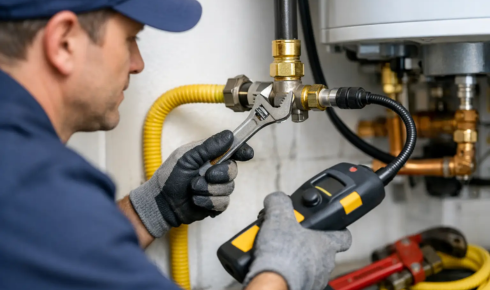
Professional gas line repairs should involve proper inspection, safe shut-off procedures, correct materials, and careful testing before the system is used again. This is not the kind of job where “good enough” is good enough. A safe repair should leave no doubt that the line is secure and functioning as intended.
Why Rules and Standards Matter
Homeowners sometimes hear the word “code” and think of paperwork or red tape. But building and plumbing codes exist for practical reasons. They help protect homes, families, contractors, and future buyers from unsafe work.
Proper code compliance matters when installing gas lines, replacing water heaters, moving plumbing fixtures, repairing major pipe sections, or upgrading systems during renovations. It helps ensure the work meets local safety standards and won’t create trouble during inspections, insurance claims, or future property sales.
Plumbing Problems Can Hide Behind Walls
A dripping faucet is easy to see. A leaking pipe behind drywall is not. Many plumbing issues start quietly and stay hidden until there is visible damage — a soft spot in the floor, a ceiling stain, a musty smell, or warped cabinets.
That’s why inspections are so important before larger plumbing projects begin. Whether it’s a bathroom remodel, kitchen upgrade, water heater installation, repiping, or fixture relocation, understanding the existing system helps avoid surprises. A careful plumber can spot weak connections, outdated materials, pressure concerns, or layout problems before they become bigger issues.
Good Planning Saves Money Later
Rushing into repairs can feel efficient, especially when water is leaking or an appliance is down. But the fastest fix is not always the smartest one. A repair that ignores the root cause may hold for a while, then fail again when you least expect it.
Good planning includes checking the age of pipes, water pressure, drainage performance, shut-off access, and whether surrounding parts of the system are also showing wear. It’s not about making the job bigger than necessary. It’s about making sure the solution actually fits the problem.
The Right Materials Make a Difference
Not all pipes, fittings, valves, and connectors are the same. Materials need to match the system, local requirements, water conditions, and the type of work being done. What works for a small fixture repair may not be suitable for a gas line or a main water line.
Using proper materials also affects durability. Cheap or incorrect parts can lead to leaks, corrosion, pressure problems, or failed inspections. A homeowner may not know every technical detail, and that’s okay. But the professional doing the work should.
Testing Should Never Be Skipped
A repair is not truly finished just because everything looks neat. Gas and water systems need proper testing. For plumbing, this may involve checking pressure, drainage, leaks, and fixture performance. For gas work, testing is especially important because even a small leak can be serious.
This step gives everyone confidence. It also catches issues while the contractor is still on-site, instead of days later when a homeowner discovers something is wrong.
Communication Builds Trust
A good contractor does not hide behind jargon. They explain what they found, what needs attention, and what options are available. If a repair is simple, they should say so. If the situation is more complex, they should explain why.
Homeowners appreciate honesty. They don’t need a lecture, but they do need enough information to make a confident decision. Photos, clear estimates, and plain-language explanations can make the whole process less stressful.
Renovations Are the Best Time to Check Hidden Systems
If walls or floors are already being opened during a remodel, it’s a smart time to inspect plumbing and gas lines. Many homeowners focus on tiles, cabinets, countertops, and fixtures, which makes sense because those are the parts you see every day.
But the hidden systems matter just as much. Upgrading old valves, replacing weak pipe sections, or improving access points during renovation can prevent future repairs that would require tearing into finished spaces later.
Don’t Ignore Warning Signs
Strange smells, hissing sounds near gas appliances, unexplained water stains, low water pressure, slow drains, rust-colored water, or repeated leaks should be taken seriously. Some signs may turn out to be minor, but it’s better to check early.
For gas concerns, safety comes first. If you suspect a gas leak, leave the area and contact the proper emergency service or utility provider before anything else.
Final Thoughts
Safe gas and plumbing work is built on skill, planning, testing, and clear communication. It may not be the most glamorous part of home care, but it protects the things that matter most — safety, comfort, property value, and peace of mind.
A careful repair today can prevent damage tomorrow. And when the work is done properly, you don’t have to keep wondering what’s happening behind the walls or under the floor. You can simply trust the system to do its job.